Fasteners
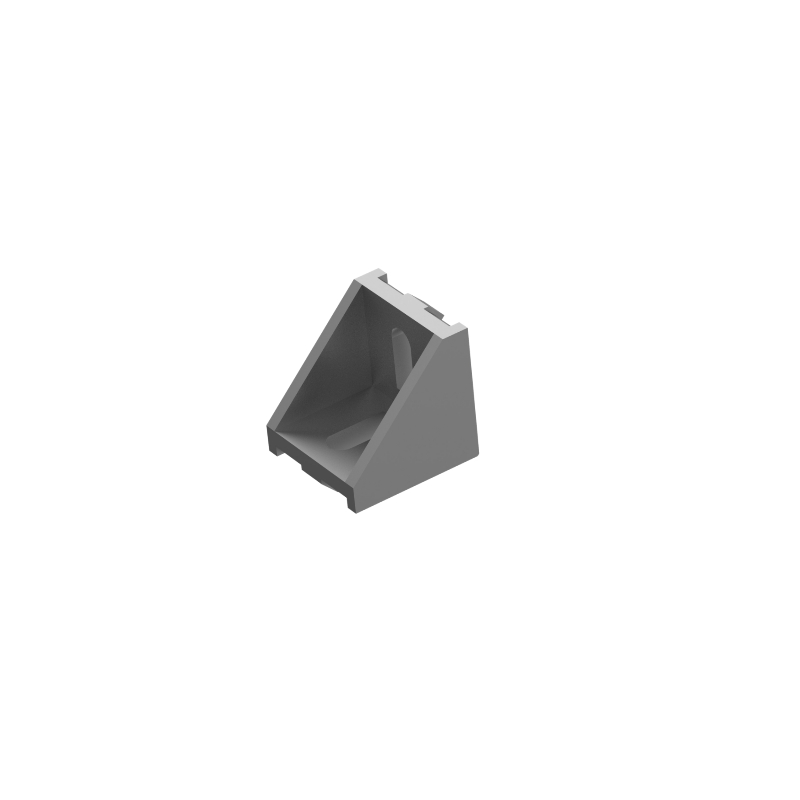
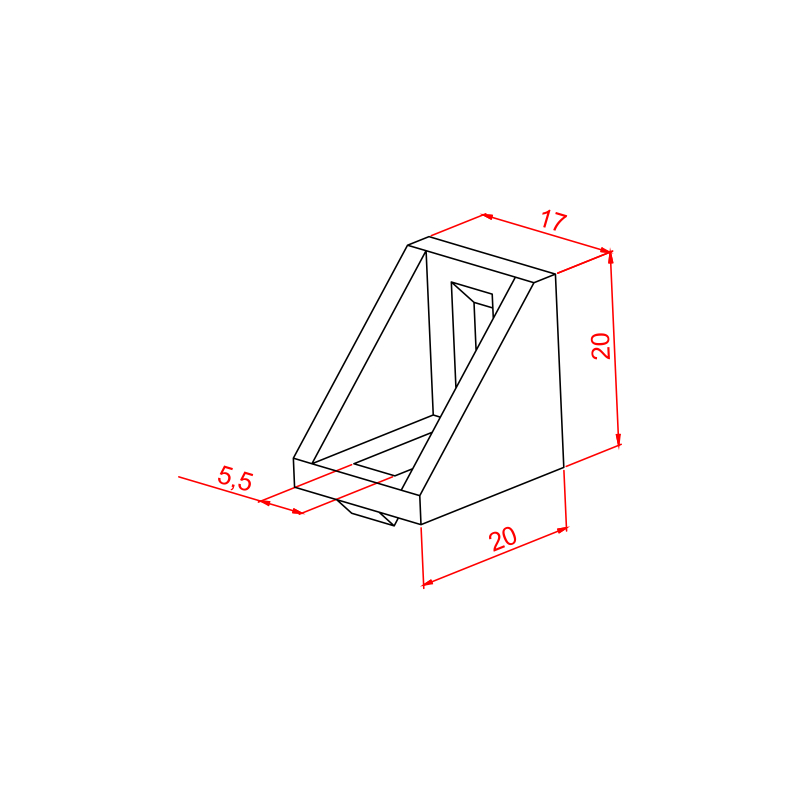
A complete range for fixed and detachable joints between profiles: corner brackets and corner connectors (standard, narrow, large, three-way), cube connectors and joints, plates for T-joints and cross joints, angle connectors and brackets. How strong and rigid the frame will be is largely decided by the way it is joined.
Podkategorie
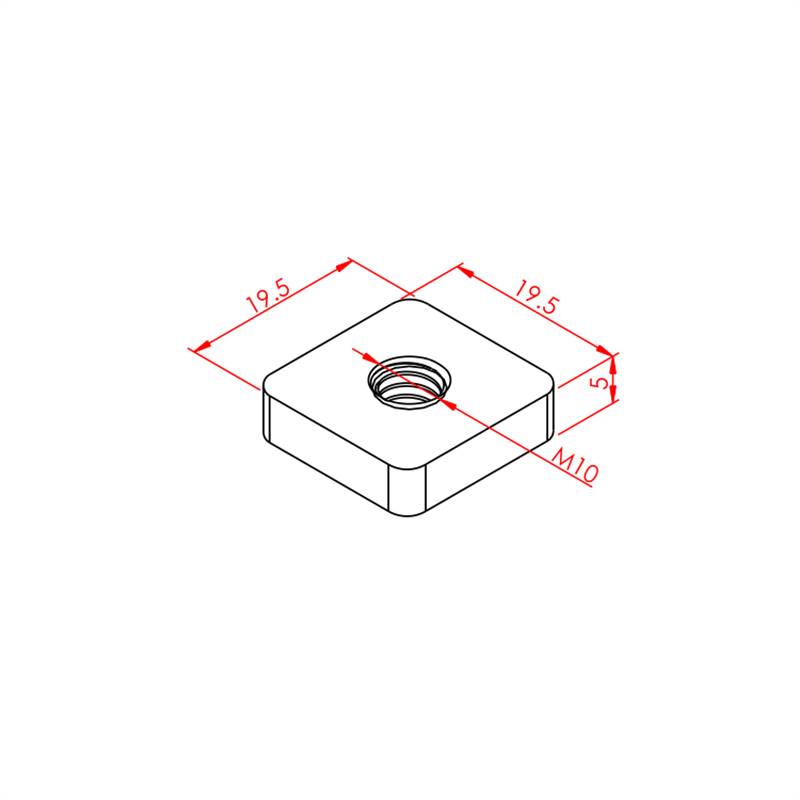
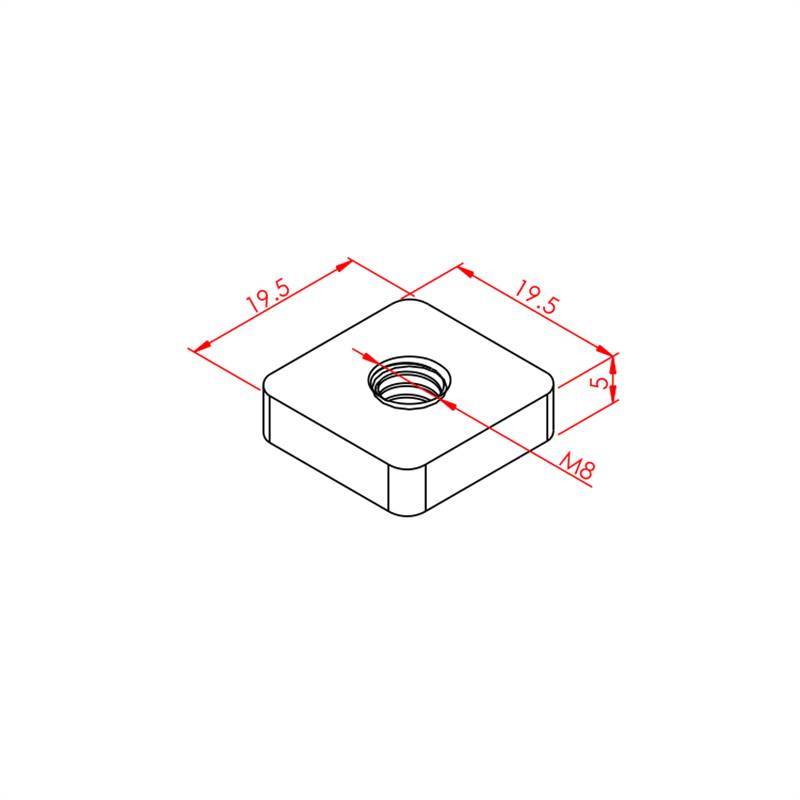
- Square nuts
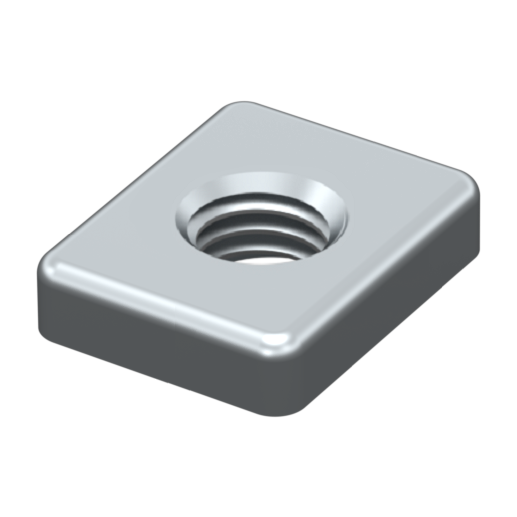
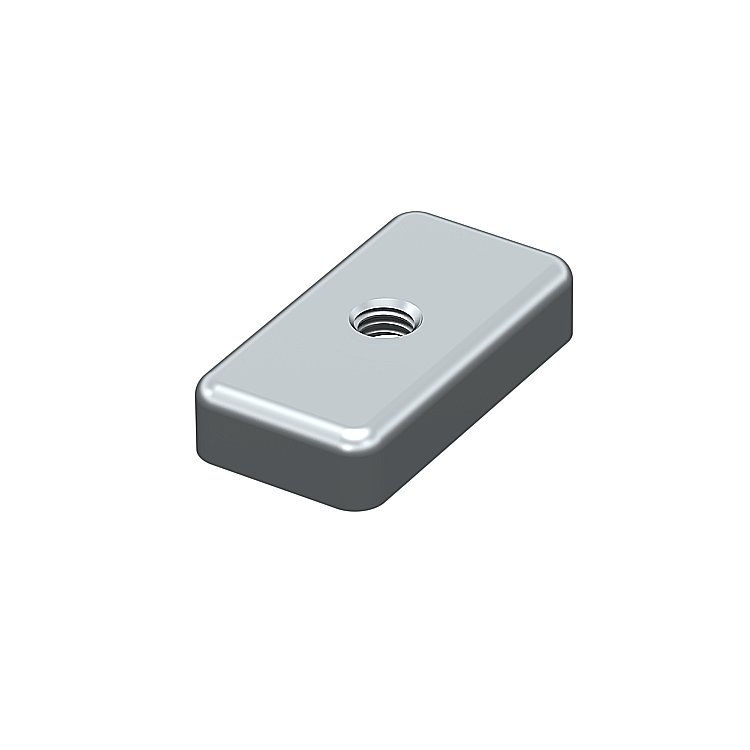
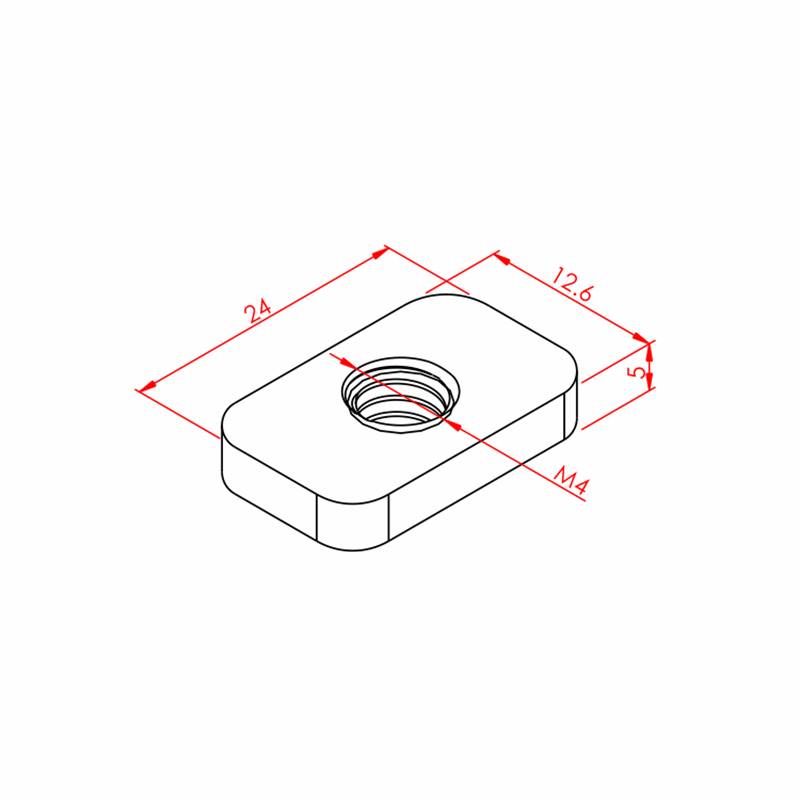
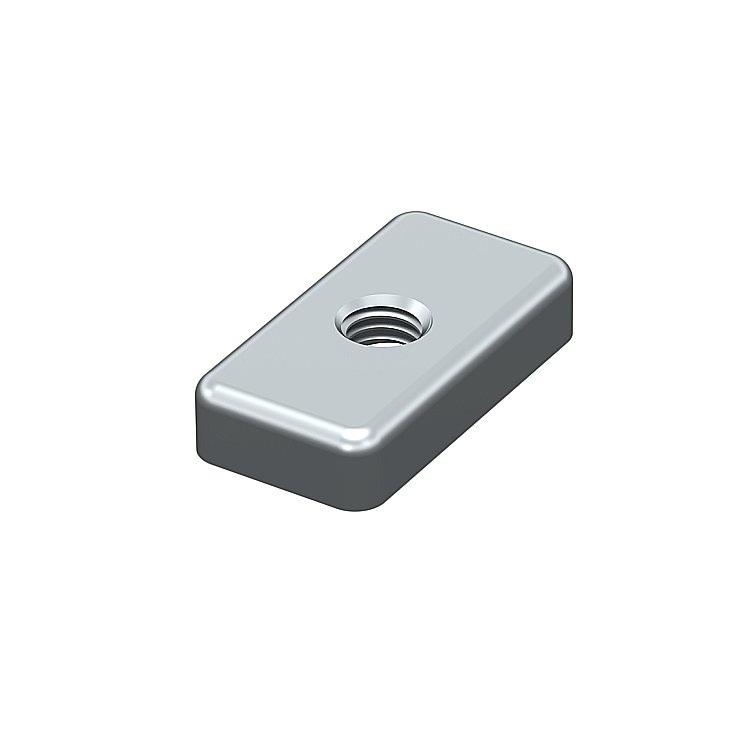
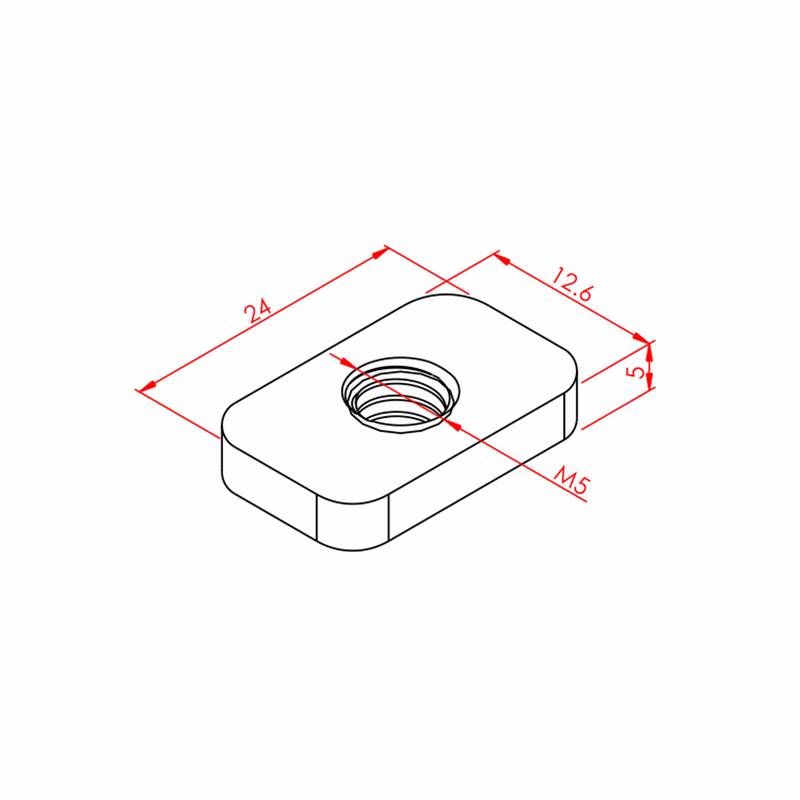
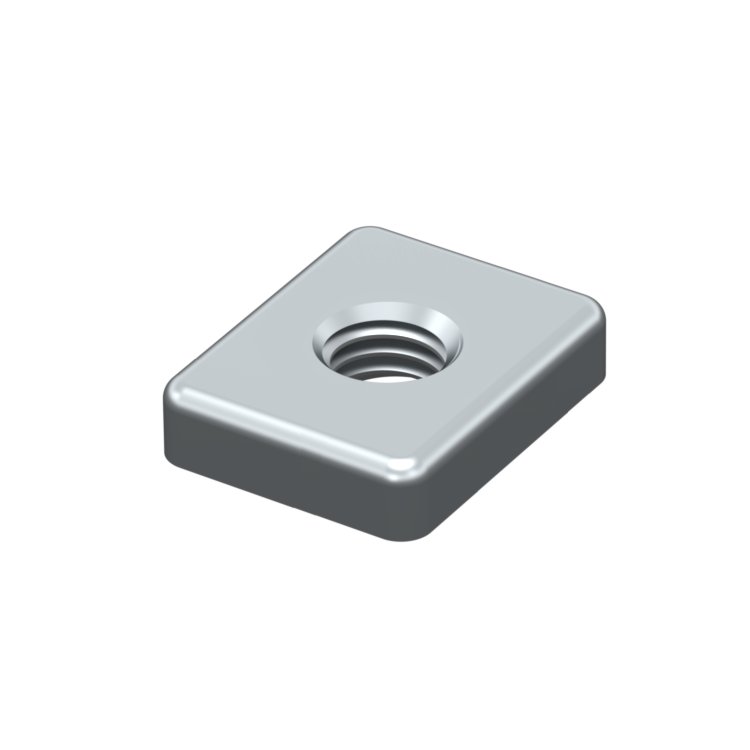
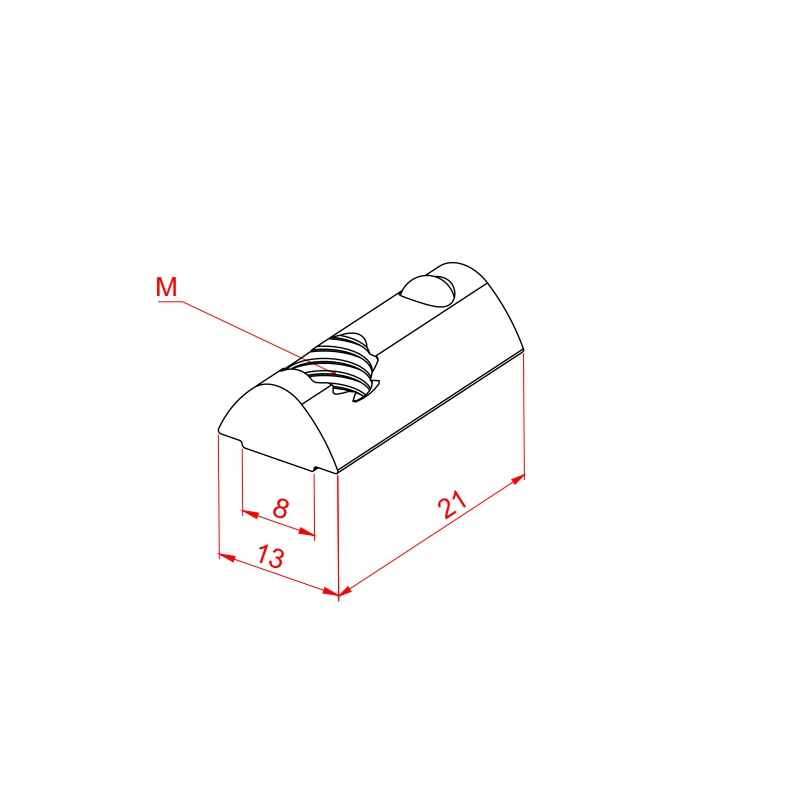
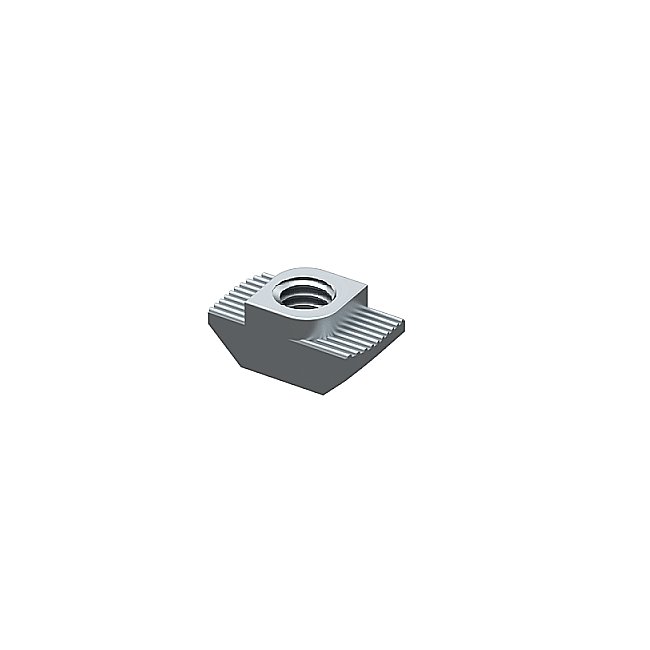
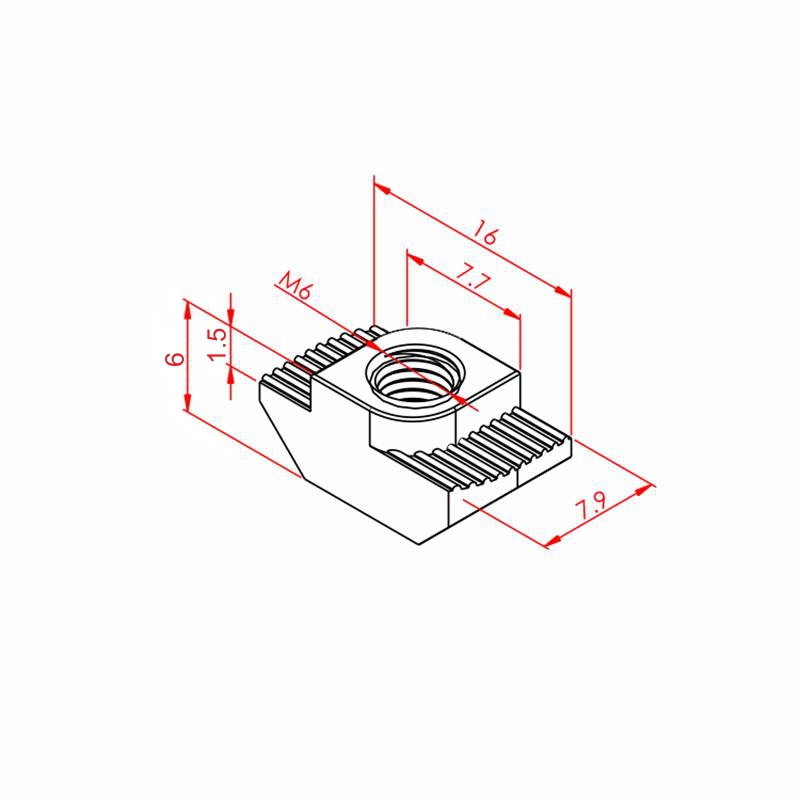
- Rectangular nuts
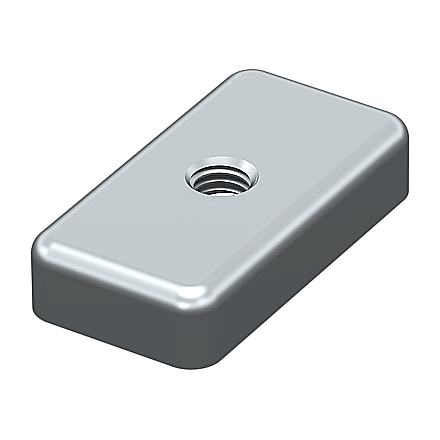
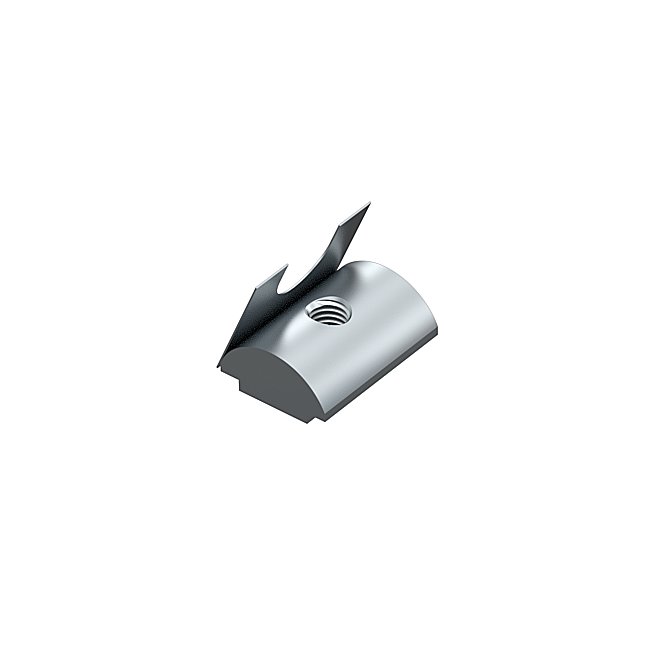
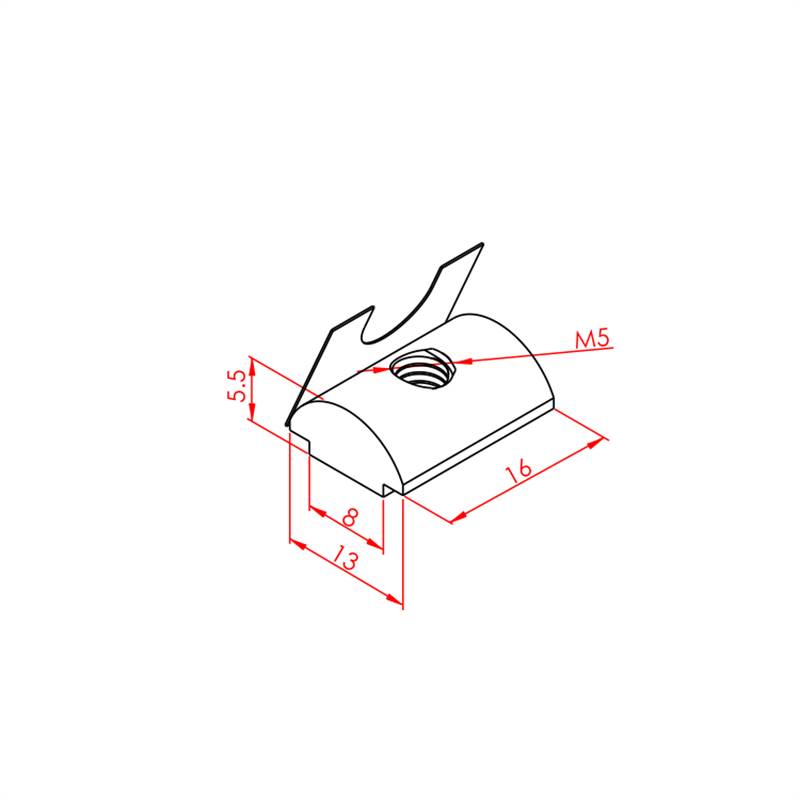
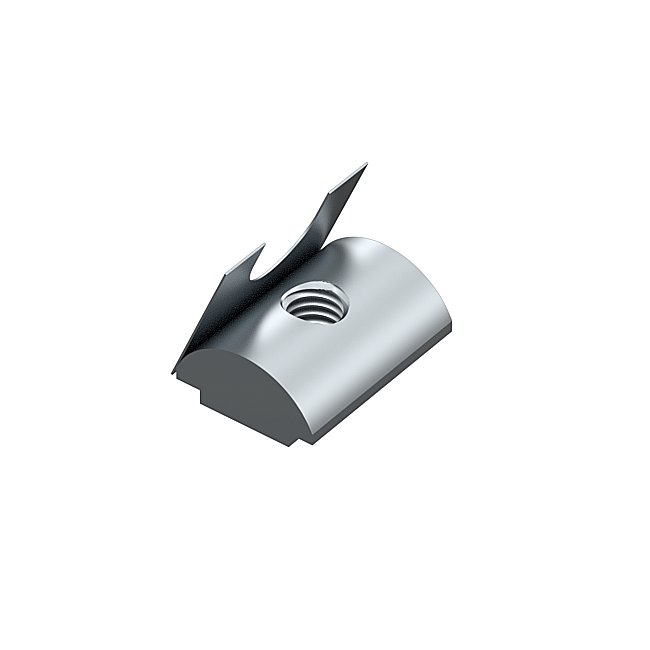
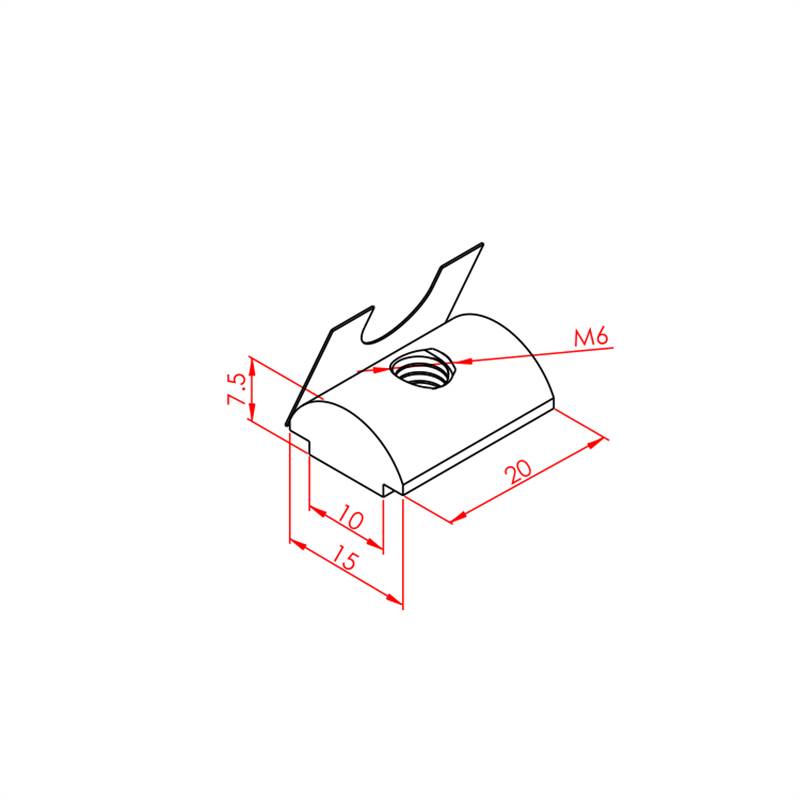
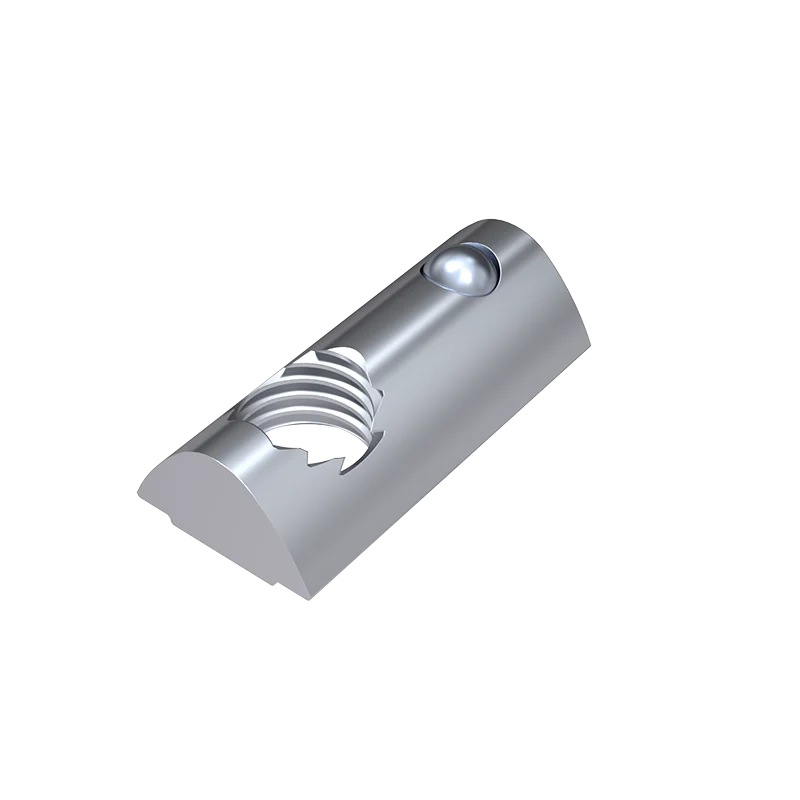
- Spring nuts
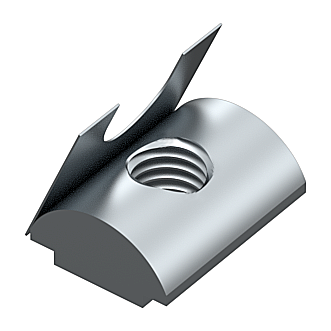
- Swivel nuts
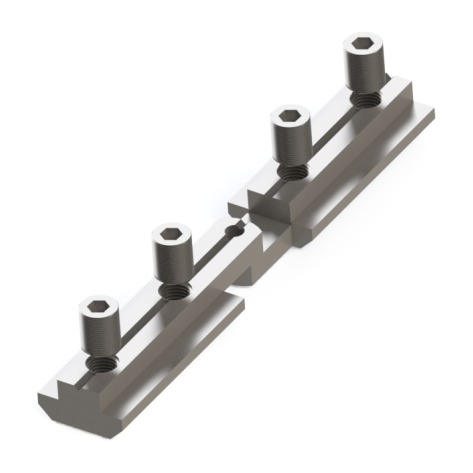
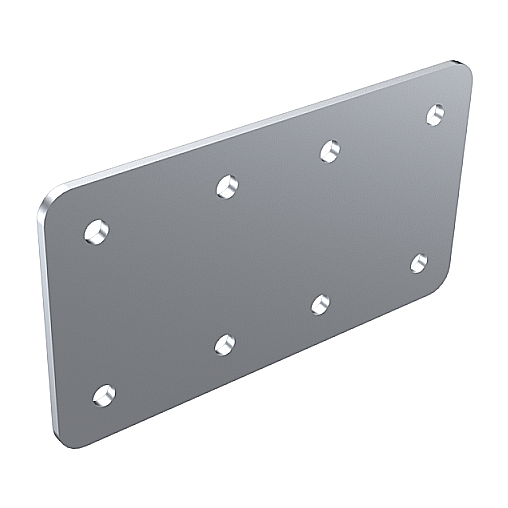
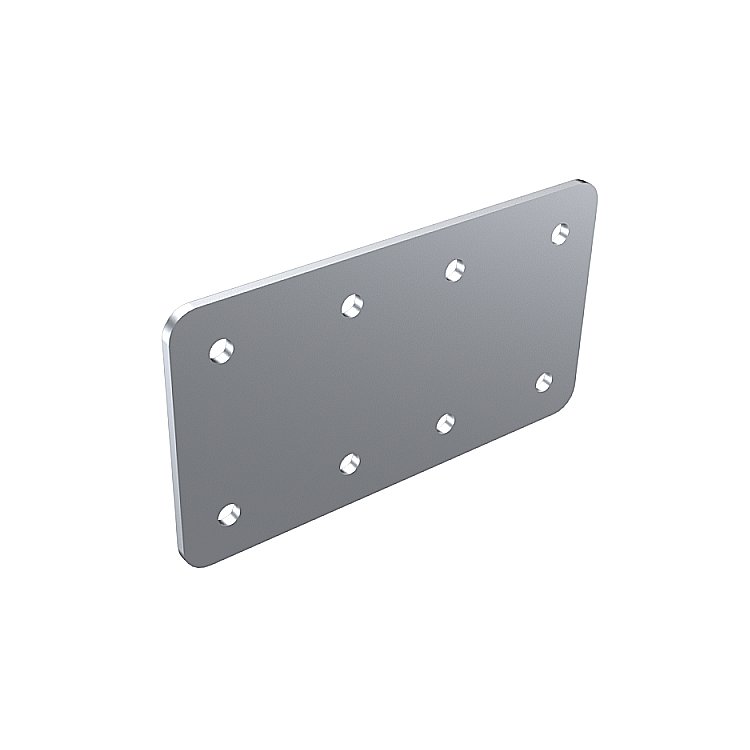
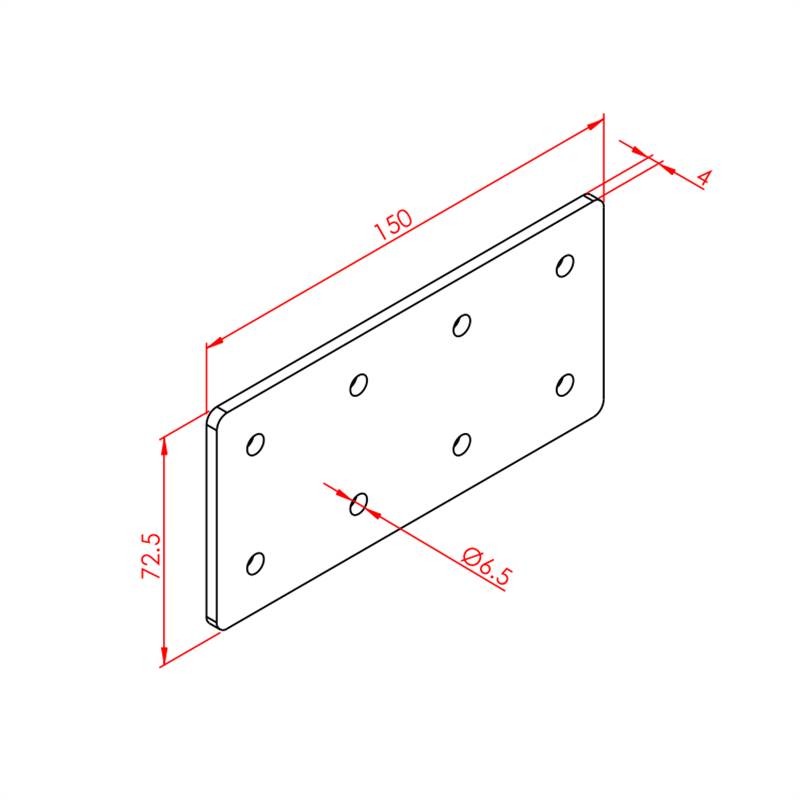
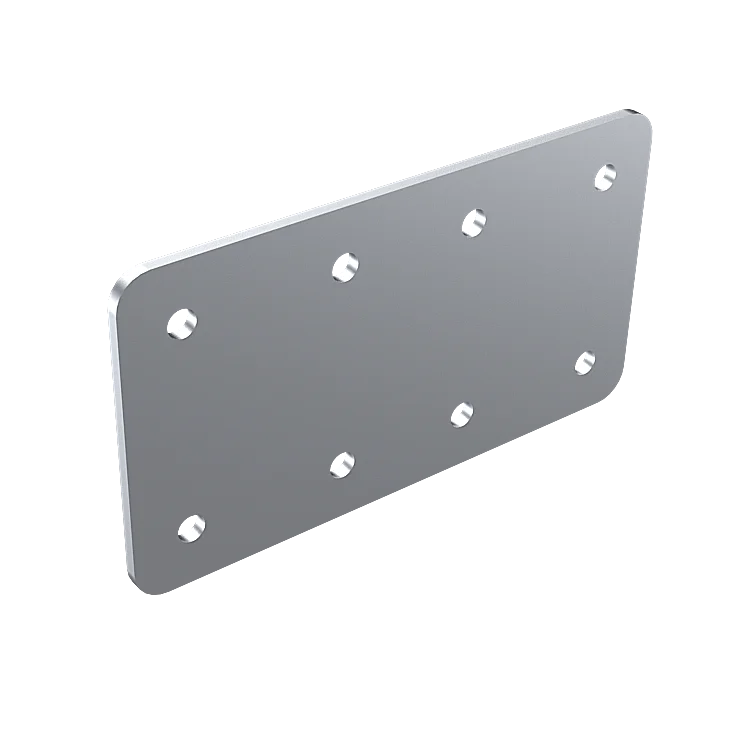
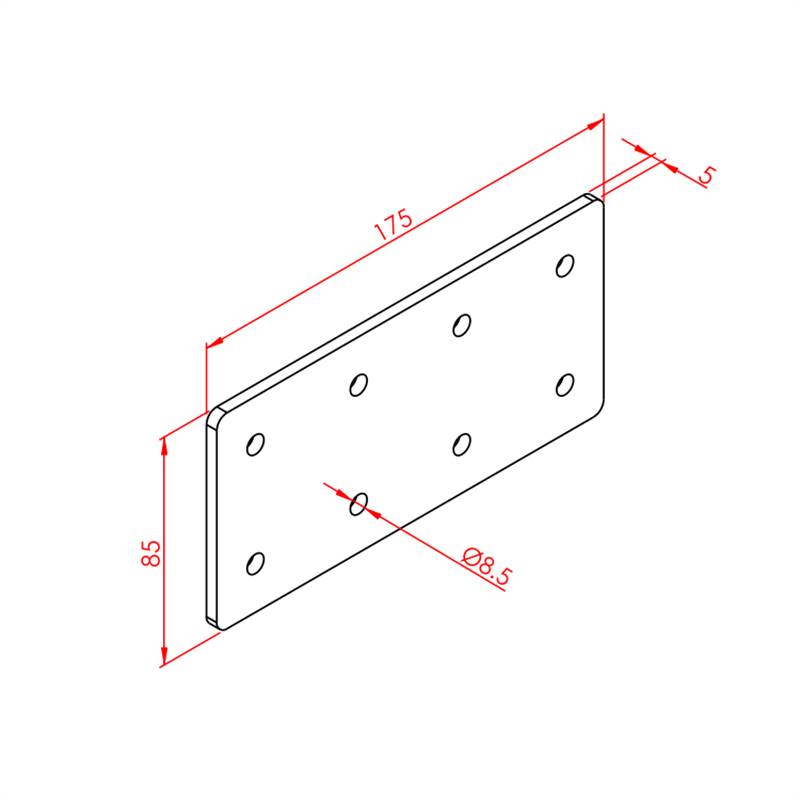
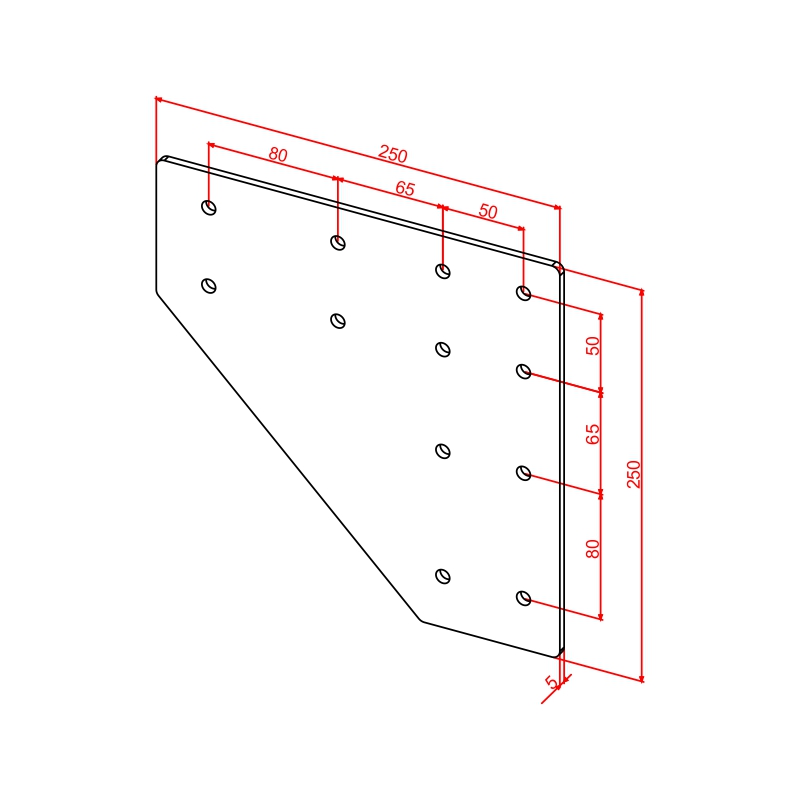
- Rectangular connecting plates
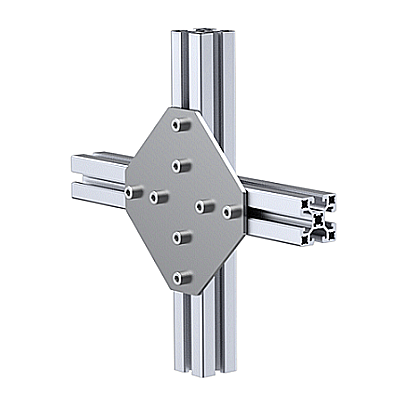
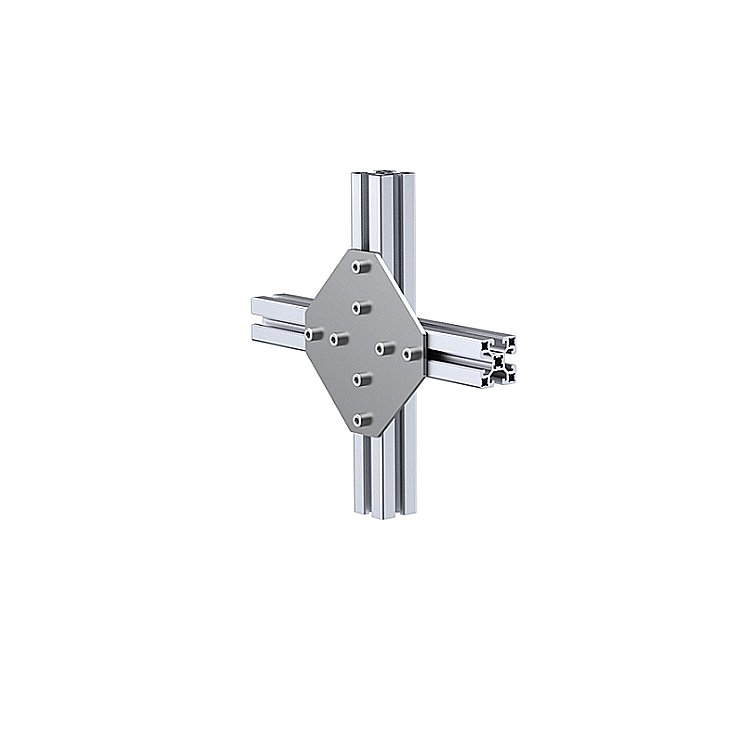
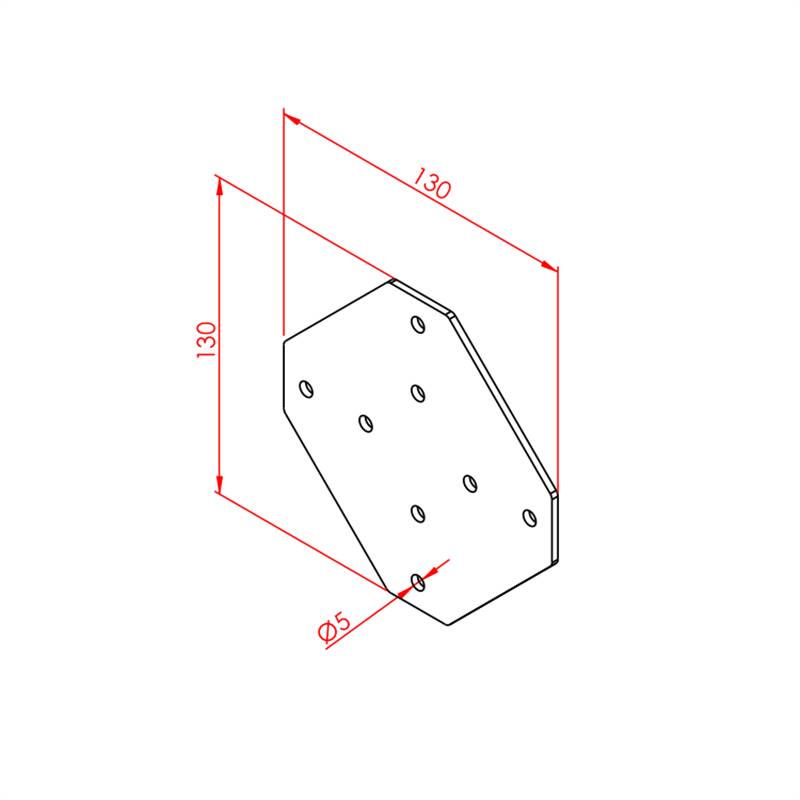
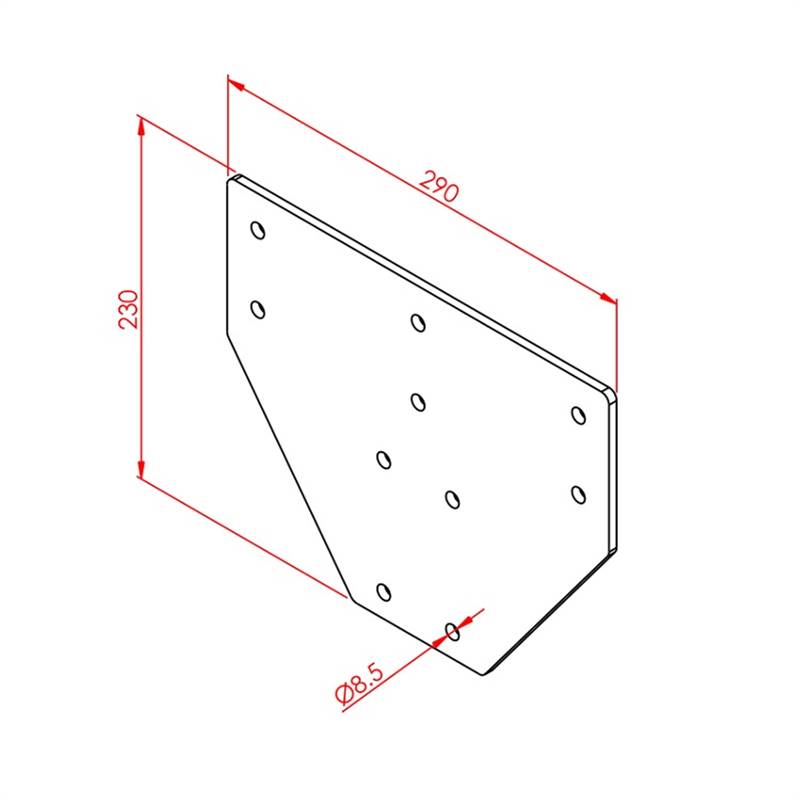
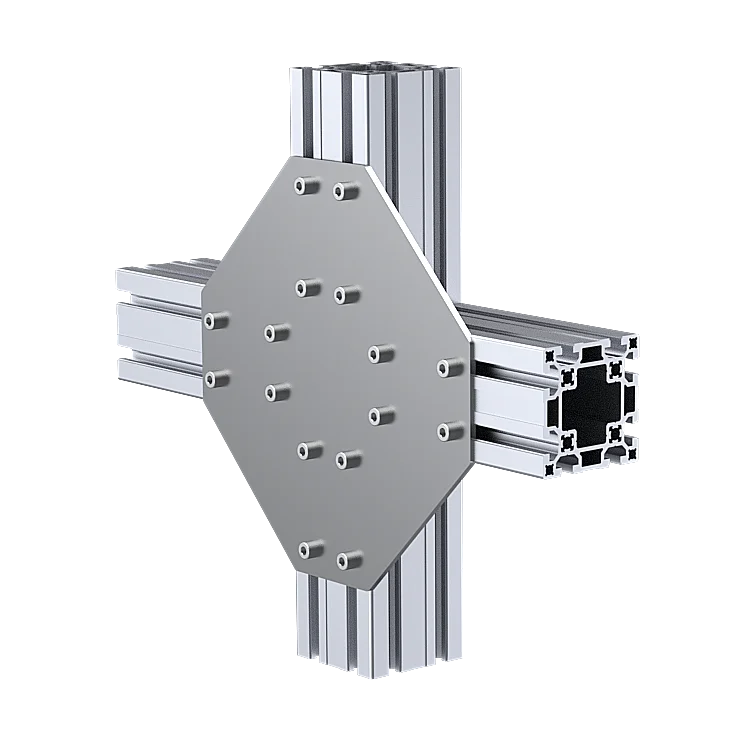
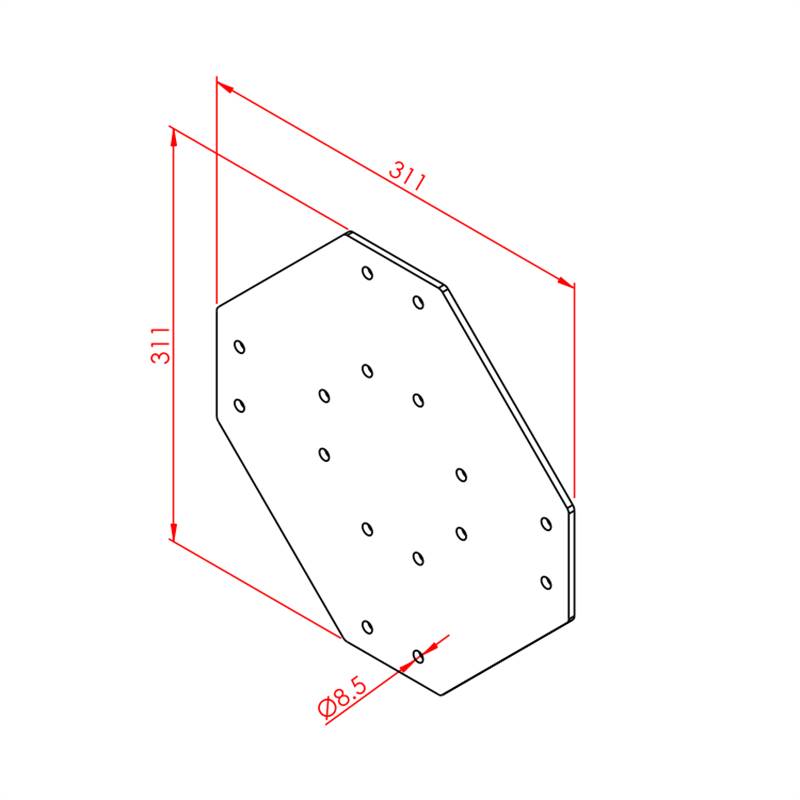
- Connecting plate for cross joints
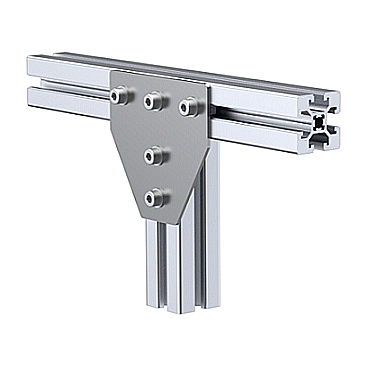
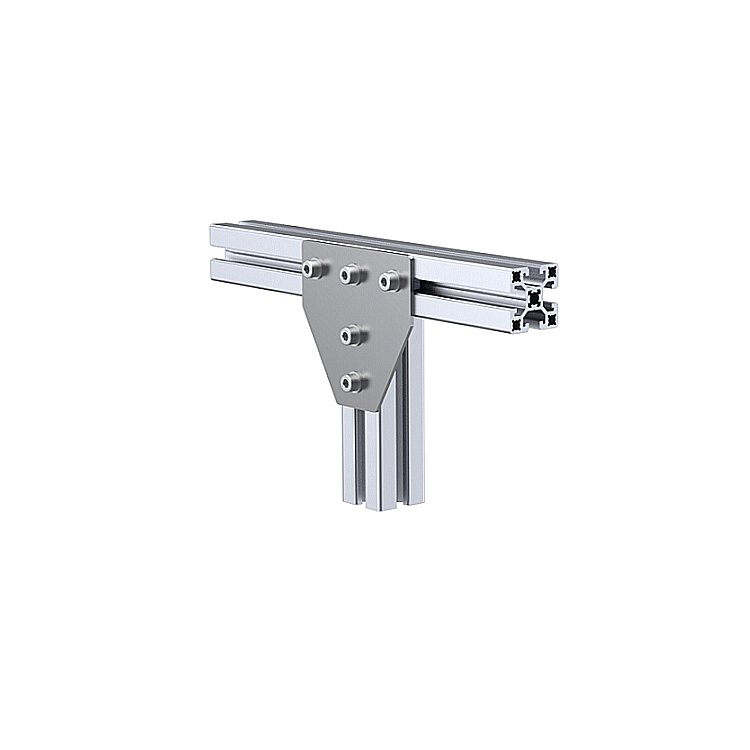
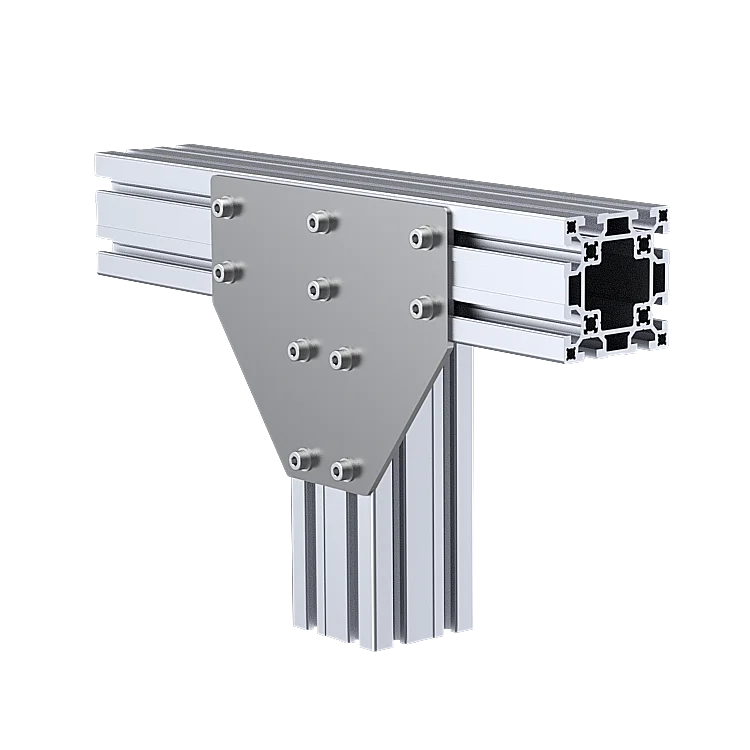
- Connecting plate for T-joints
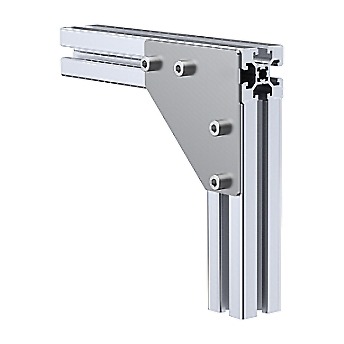
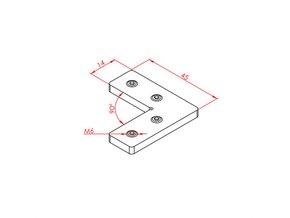
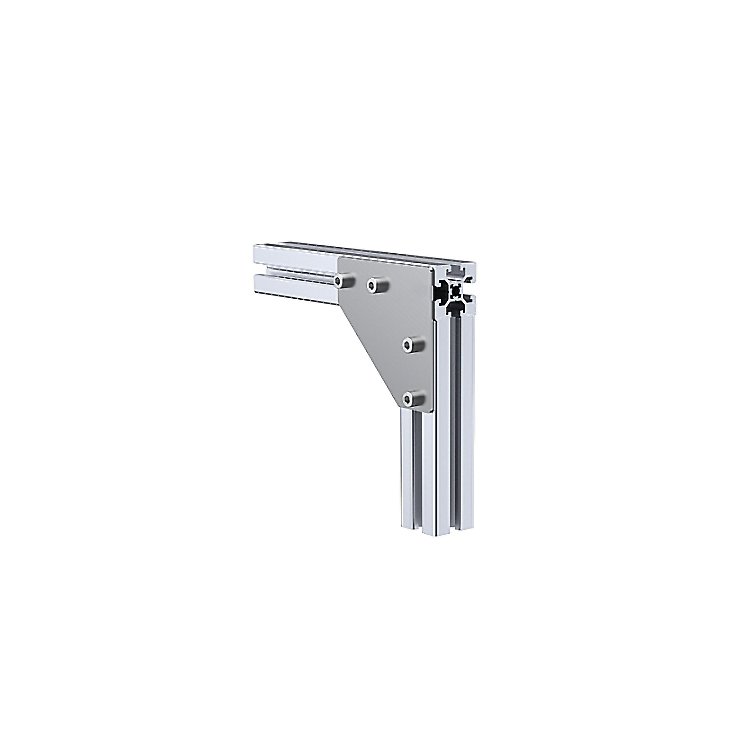
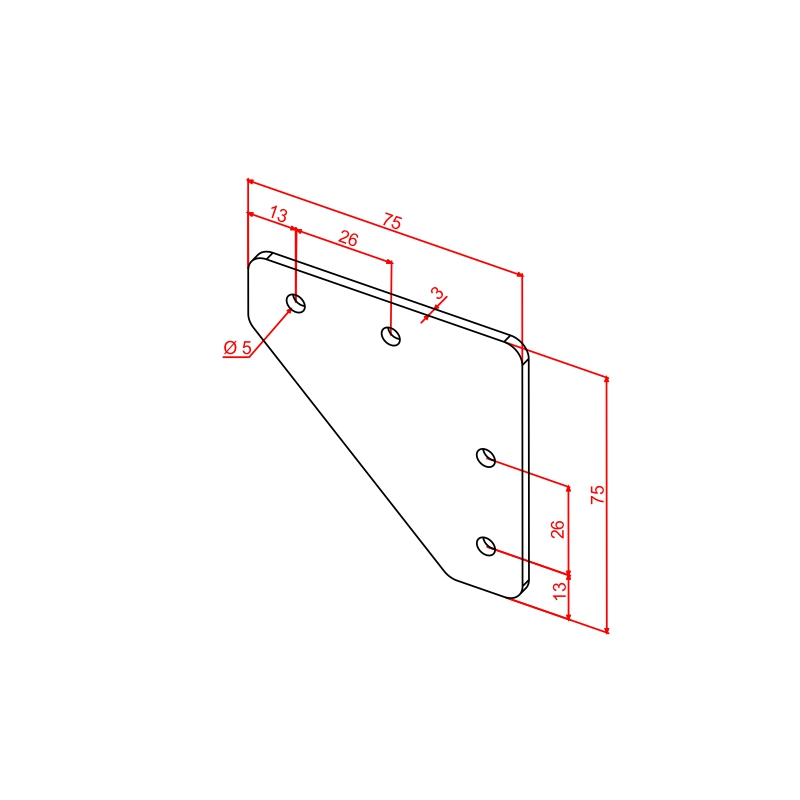
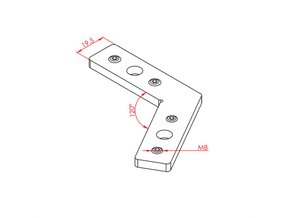
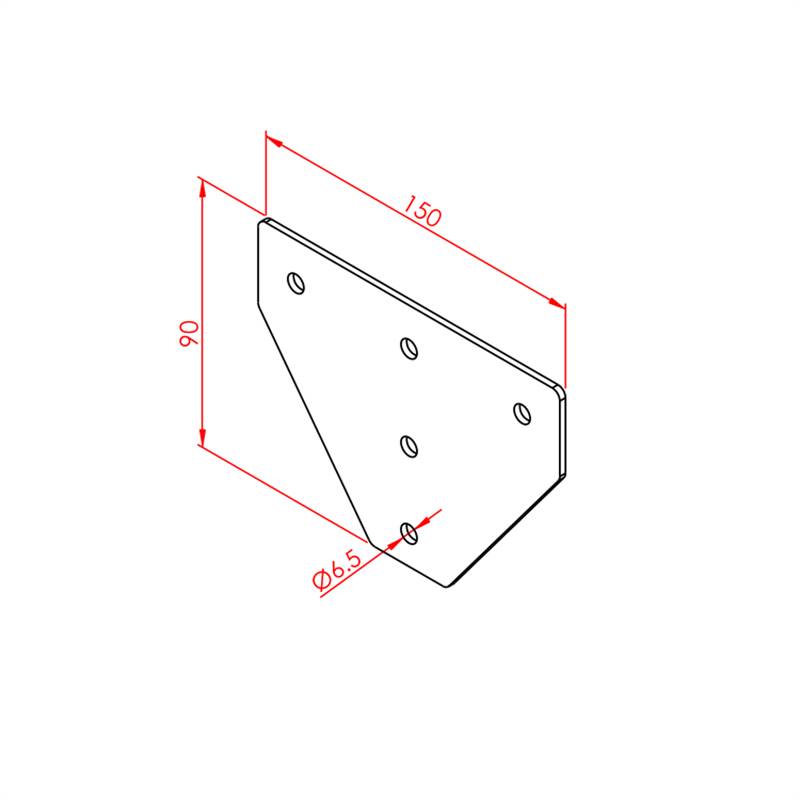
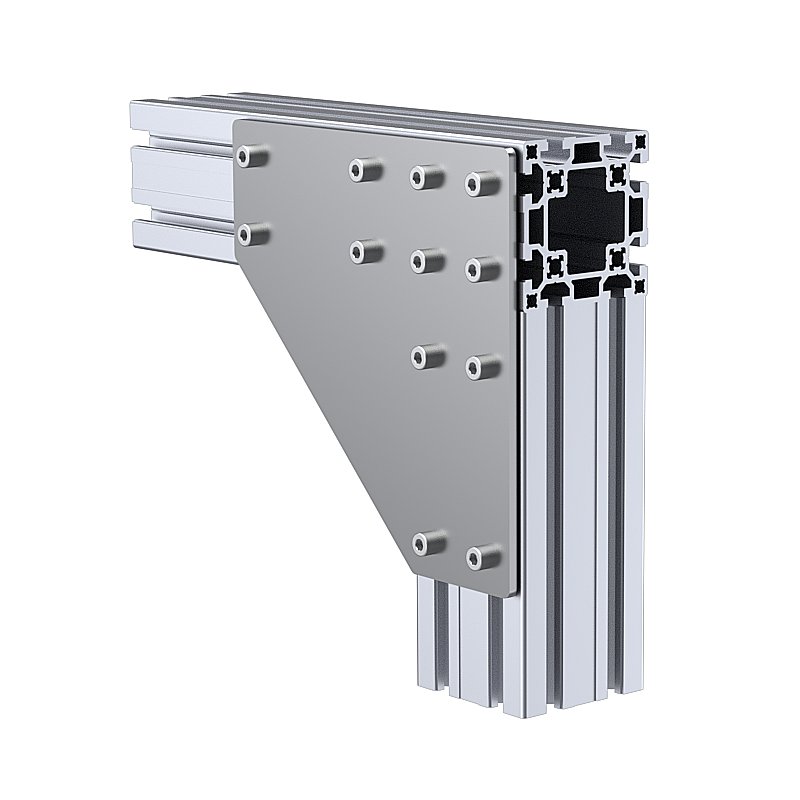
- Connecting plate for corner joints
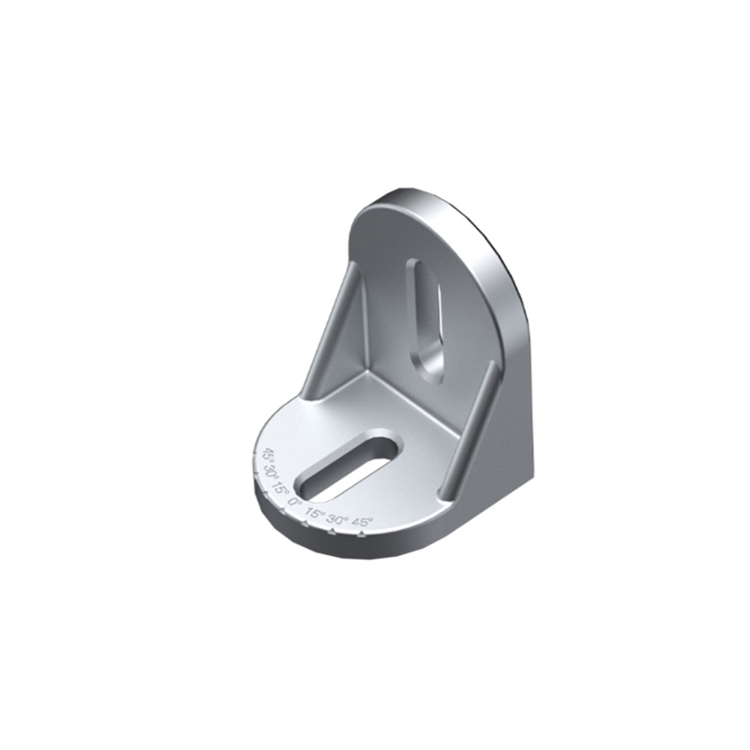
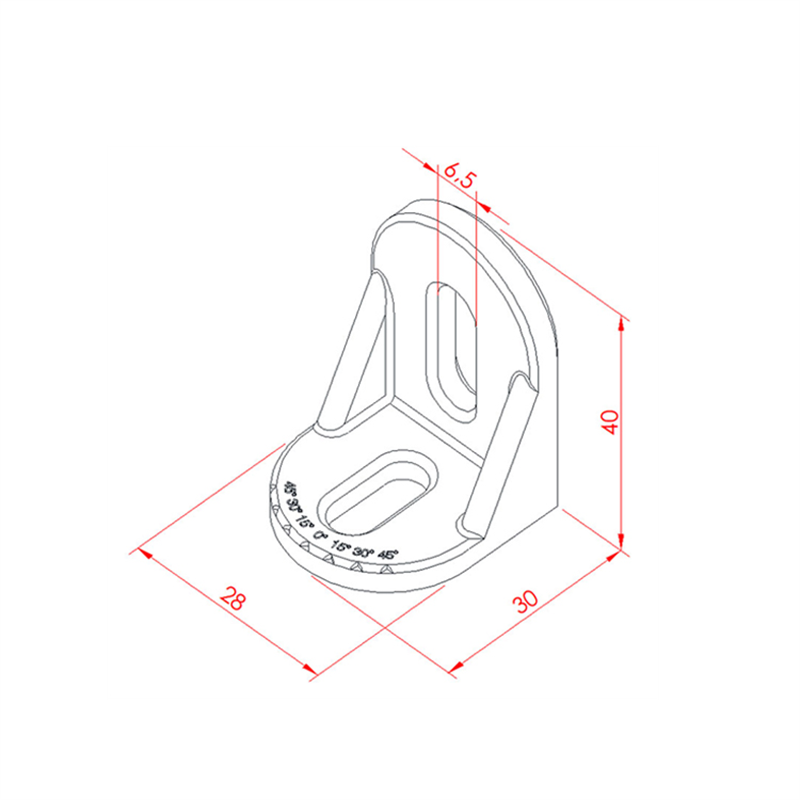
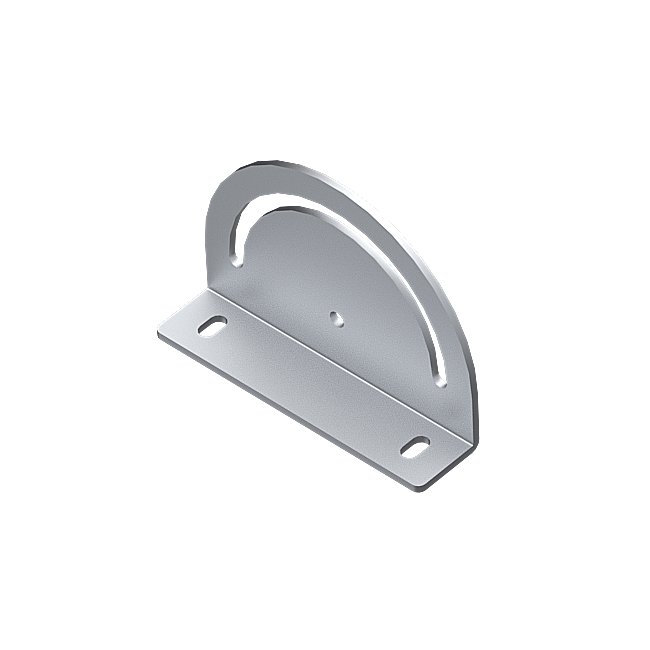
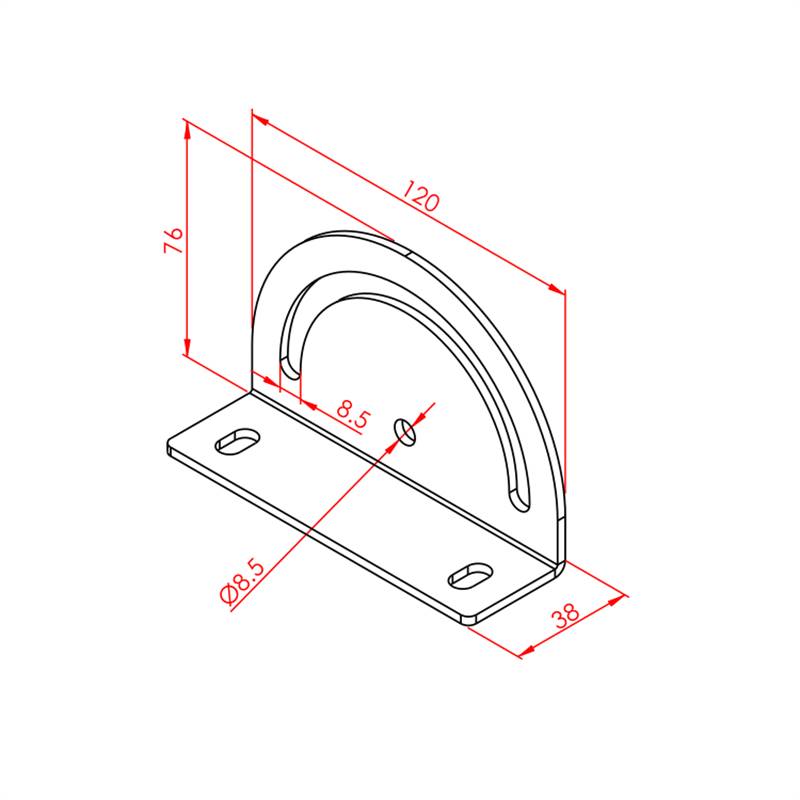
- Continuously adjustable angle brackets
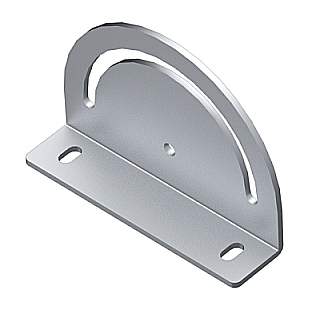
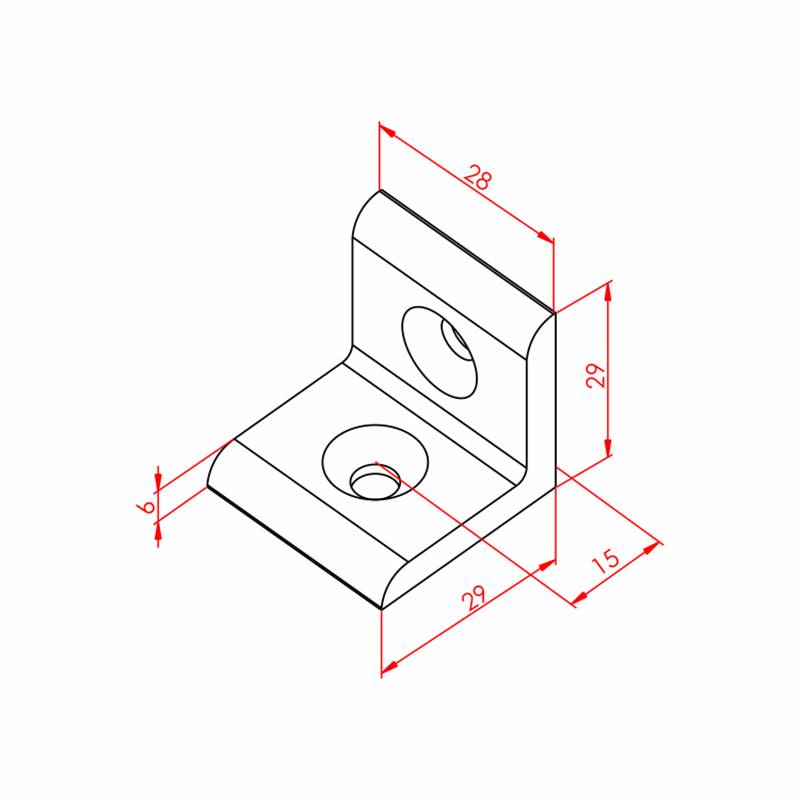
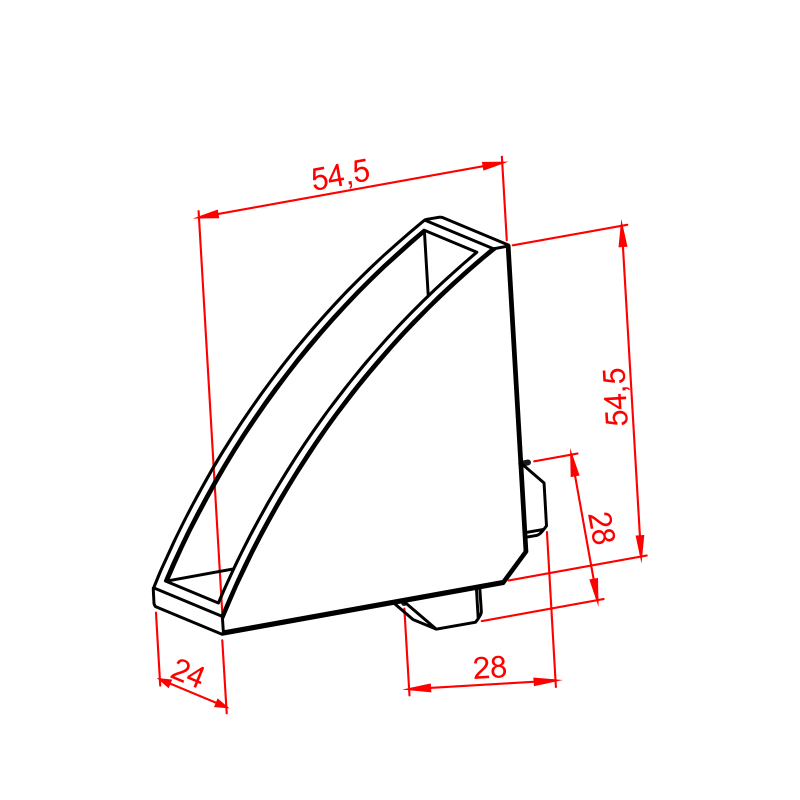
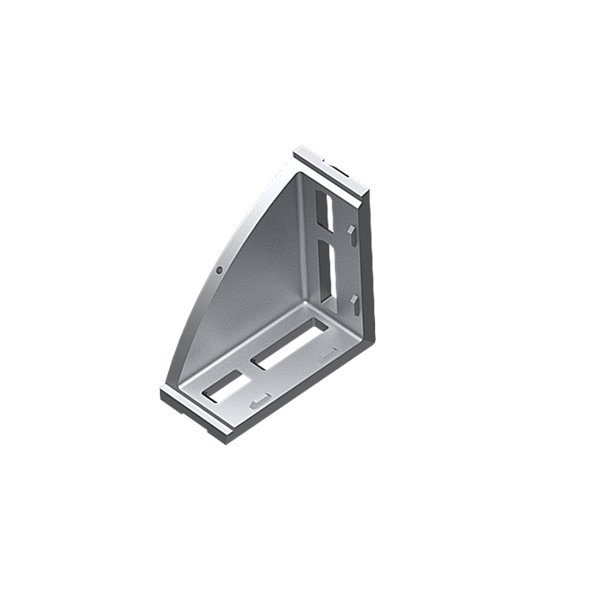
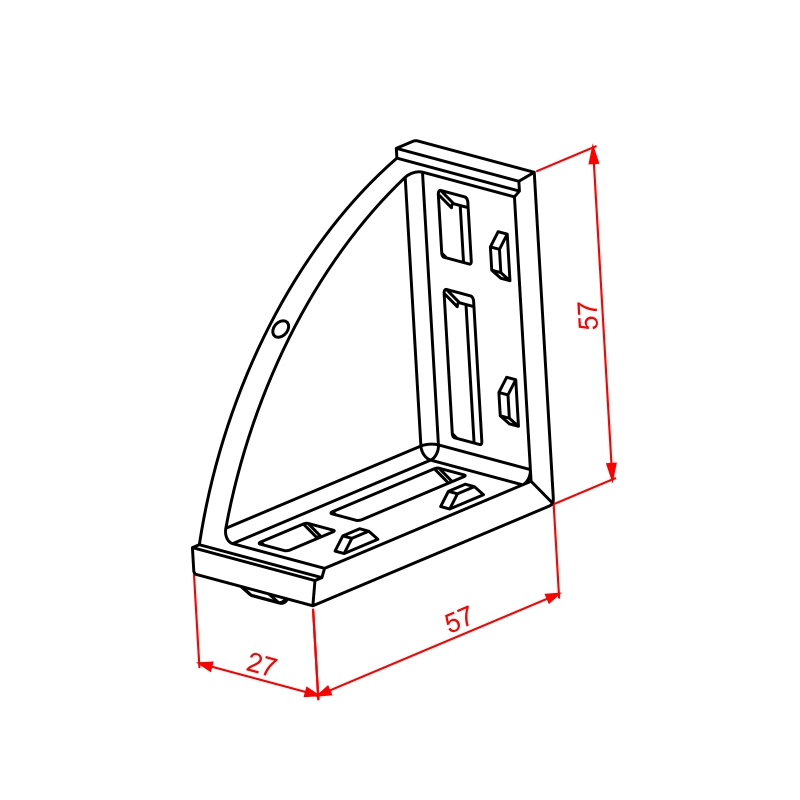
- Standard corner connectors
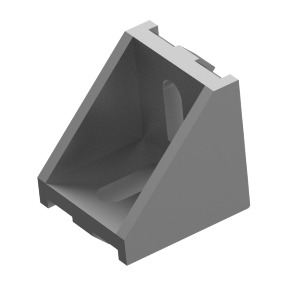
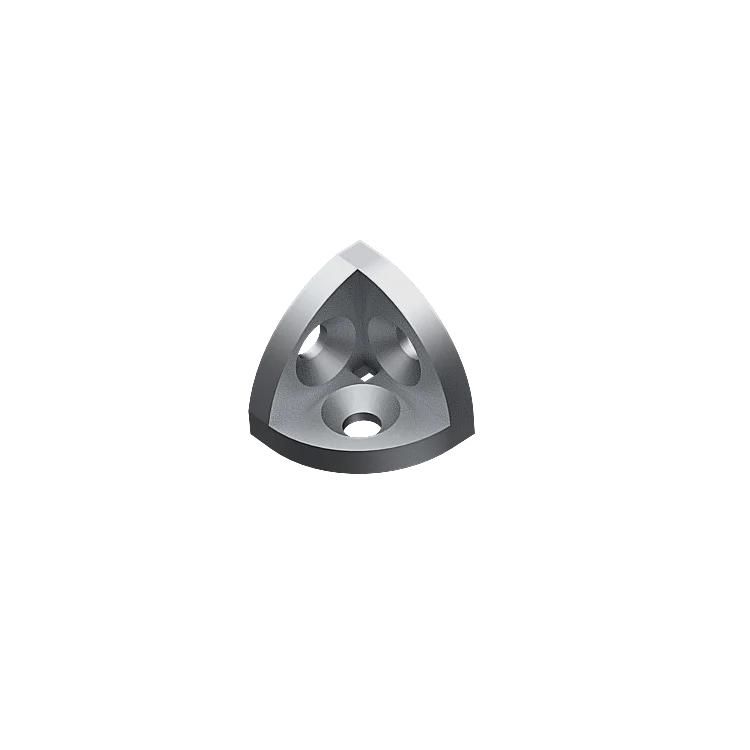
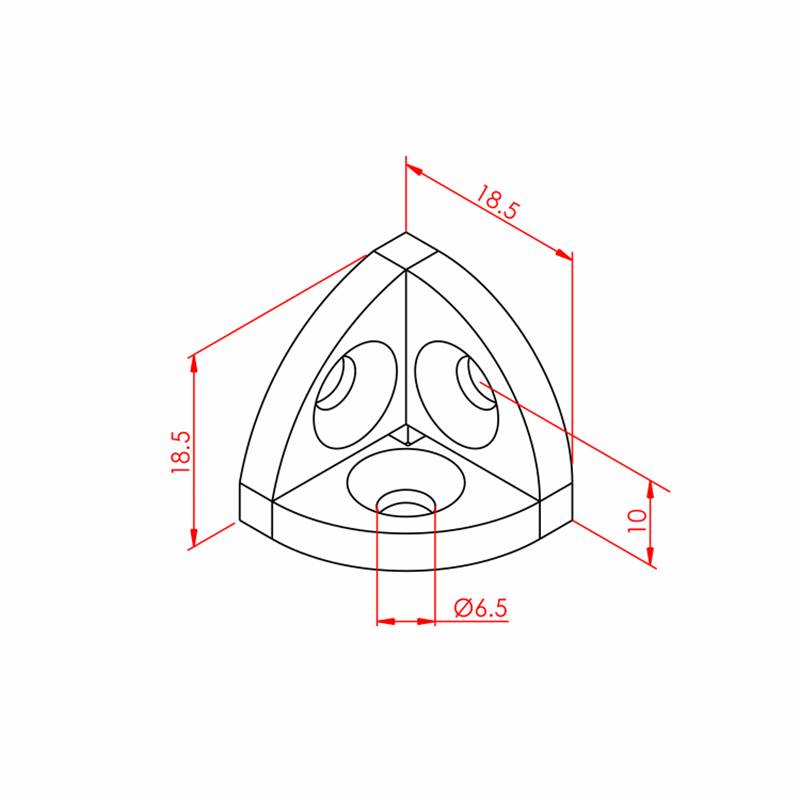
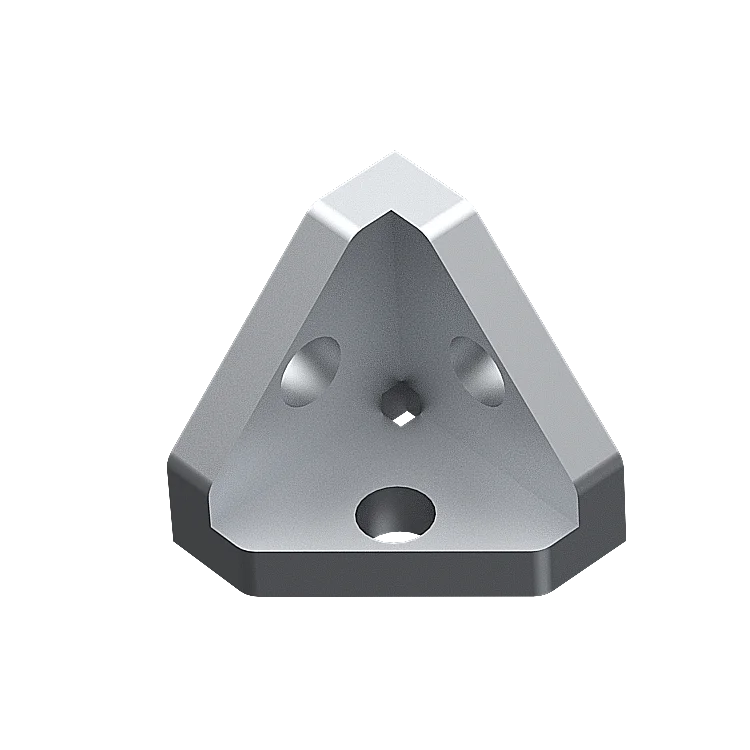
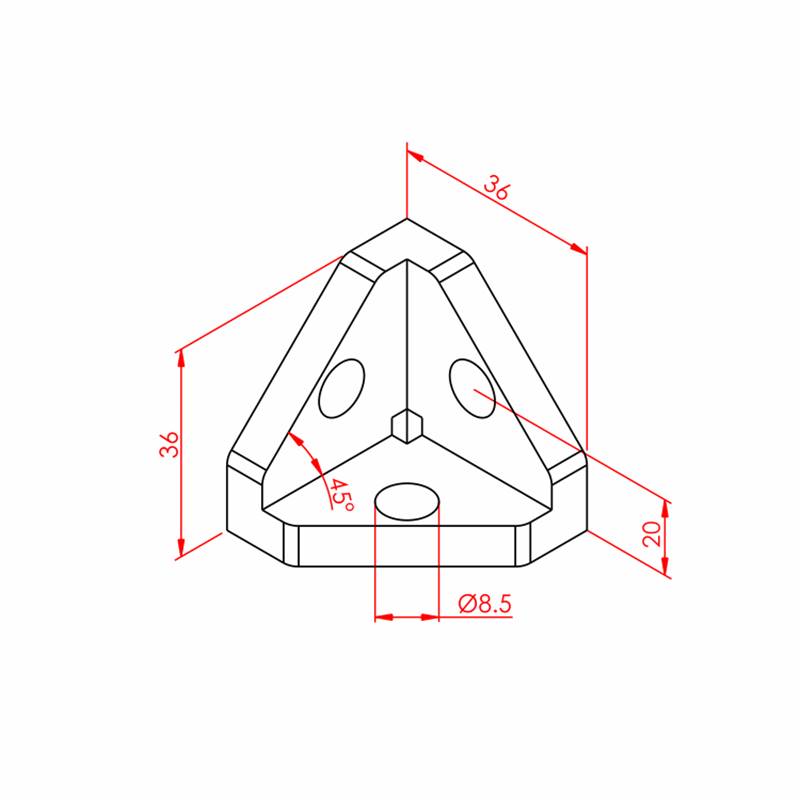
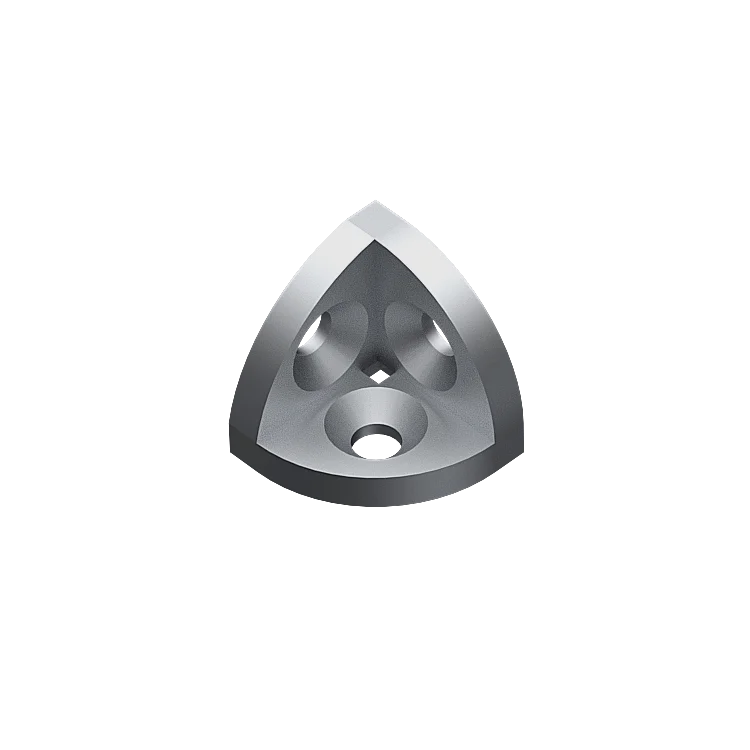
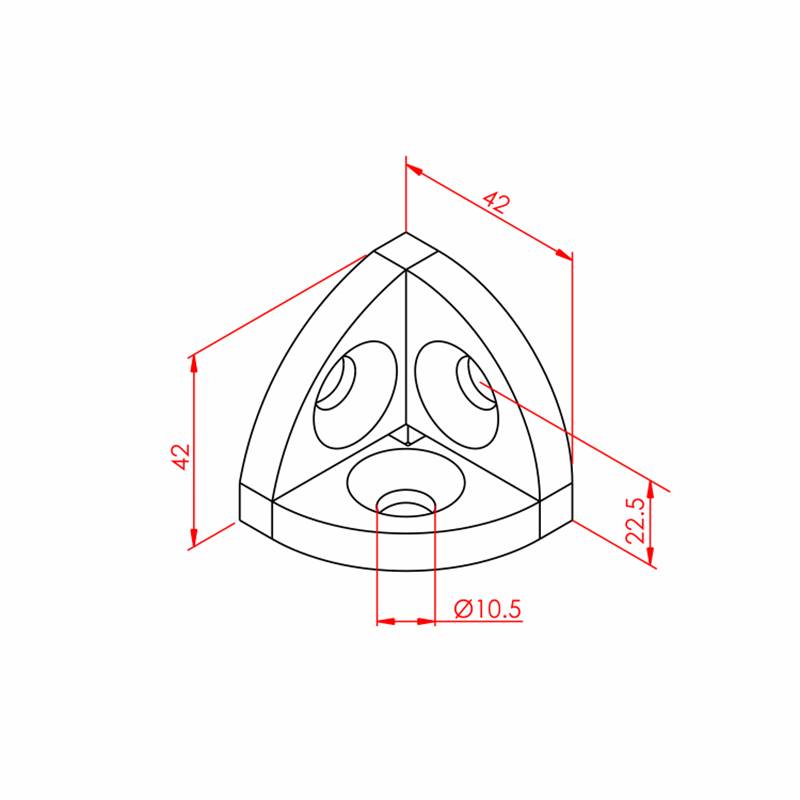
- Rounded three-way corner connectors
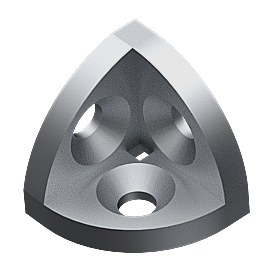
- Bevelled three-way corner connectors
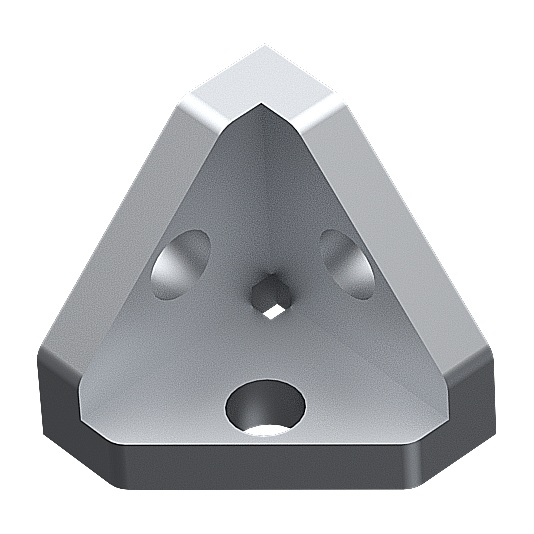
- Narrow corner connectors
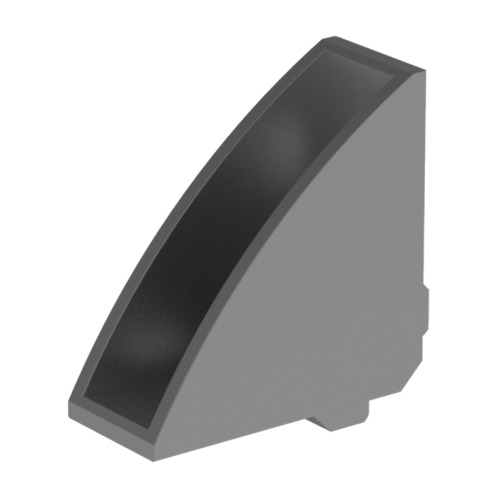
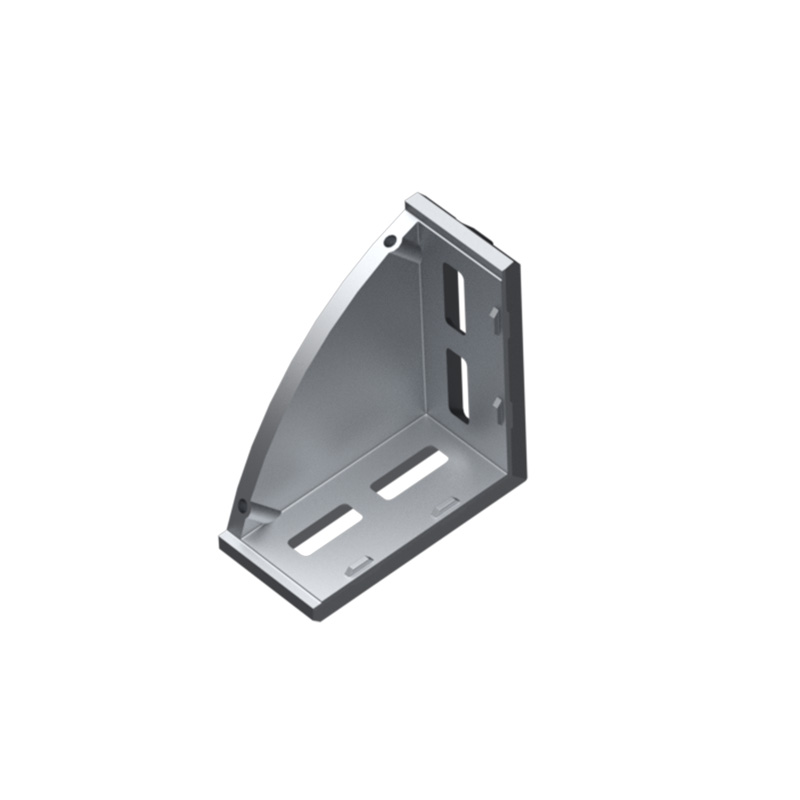
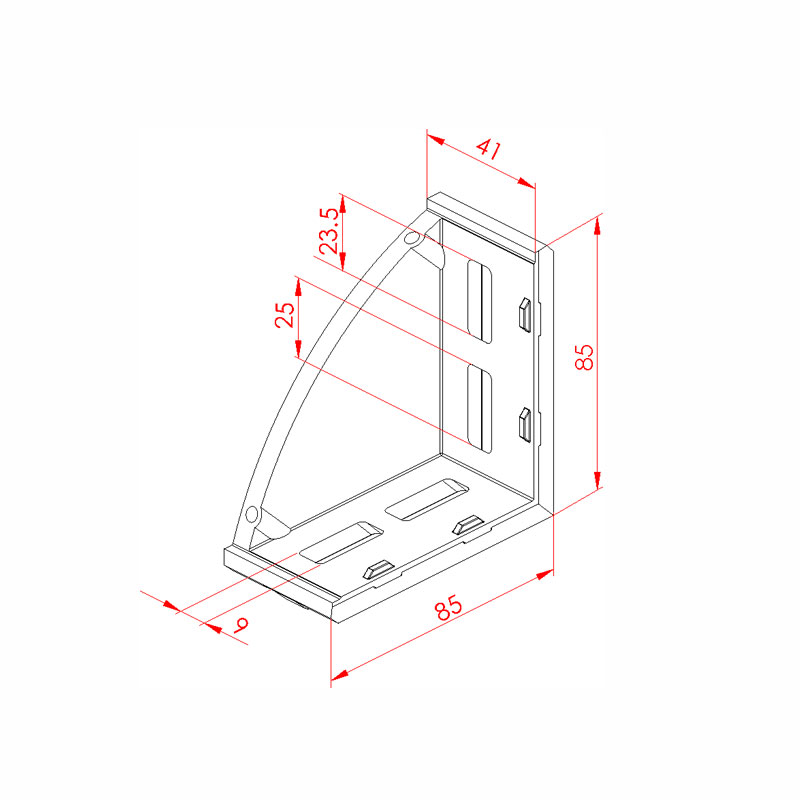
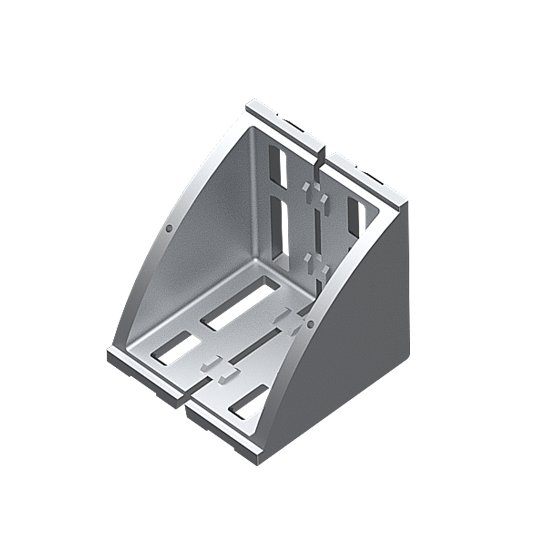
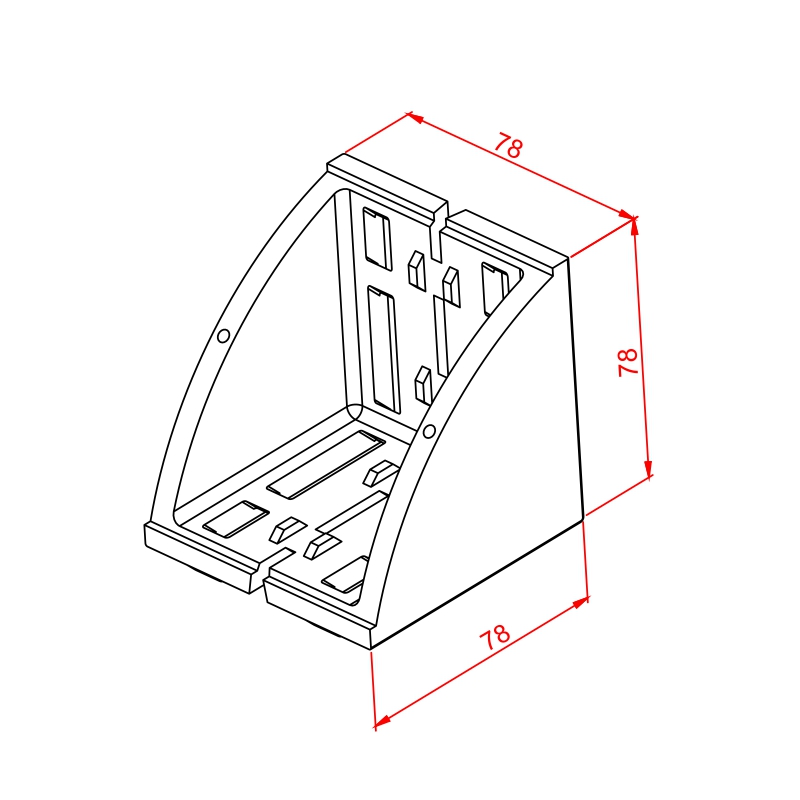
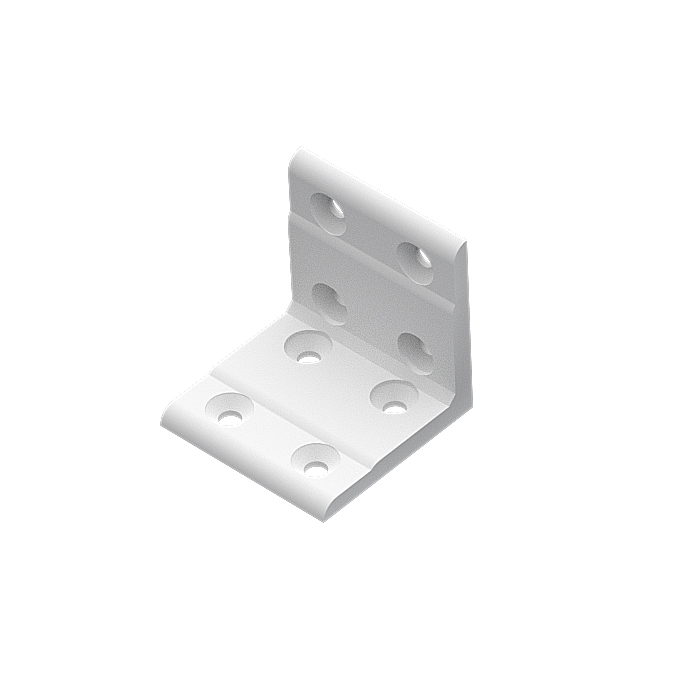
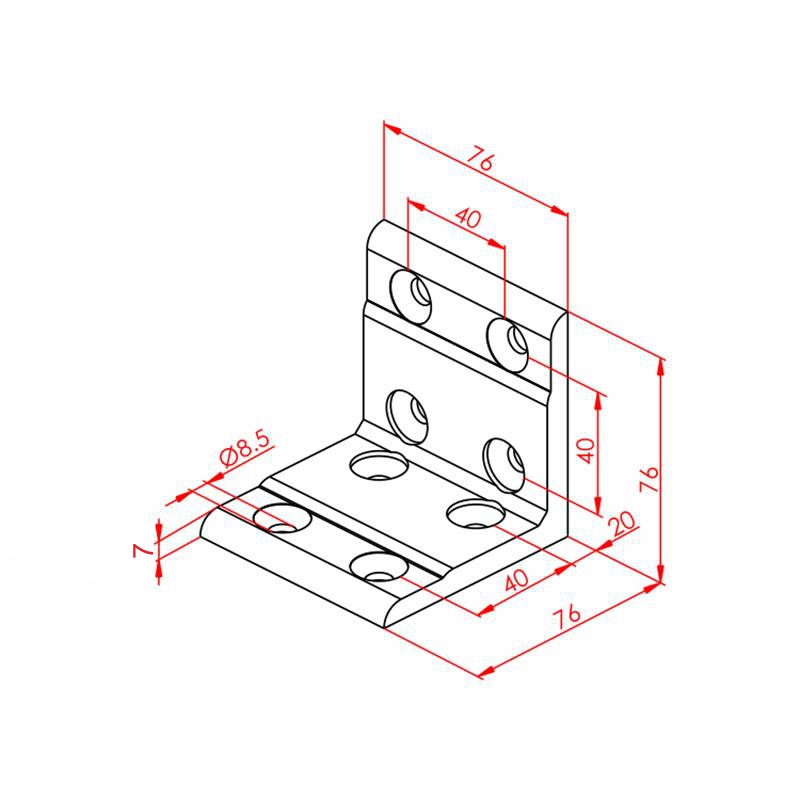
- Large corner connectors
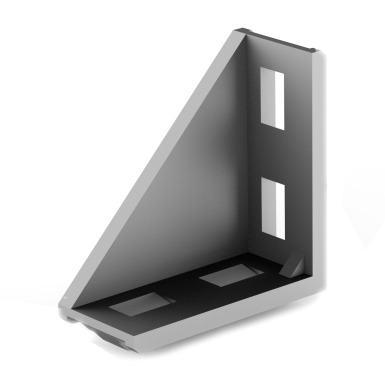
- 45° connector
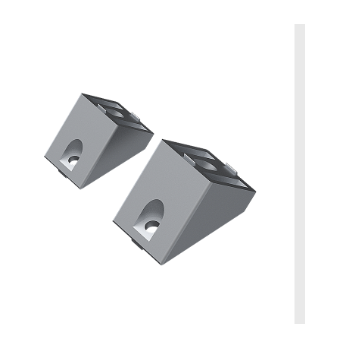
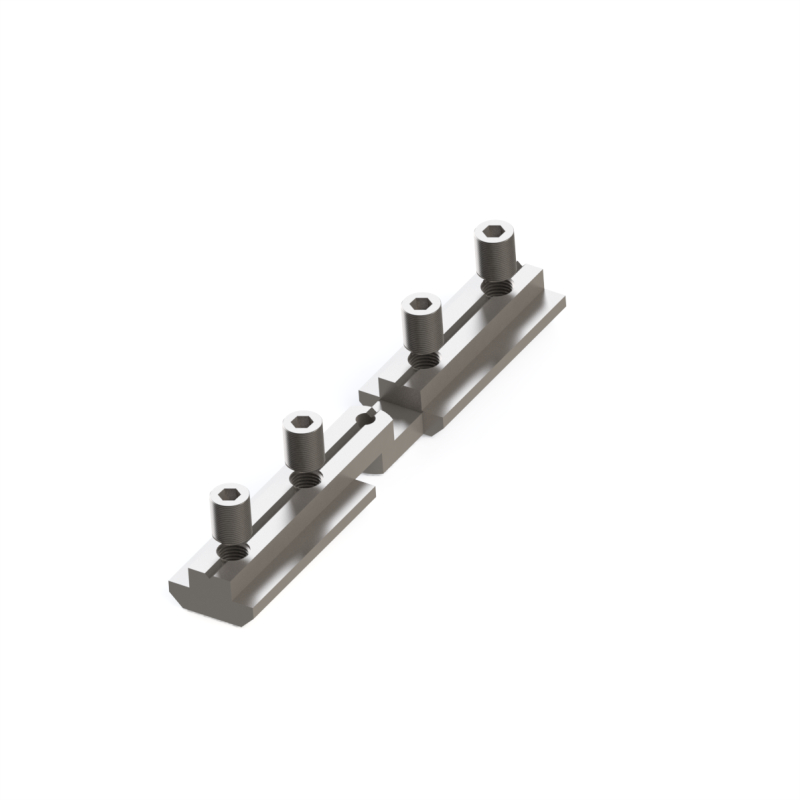
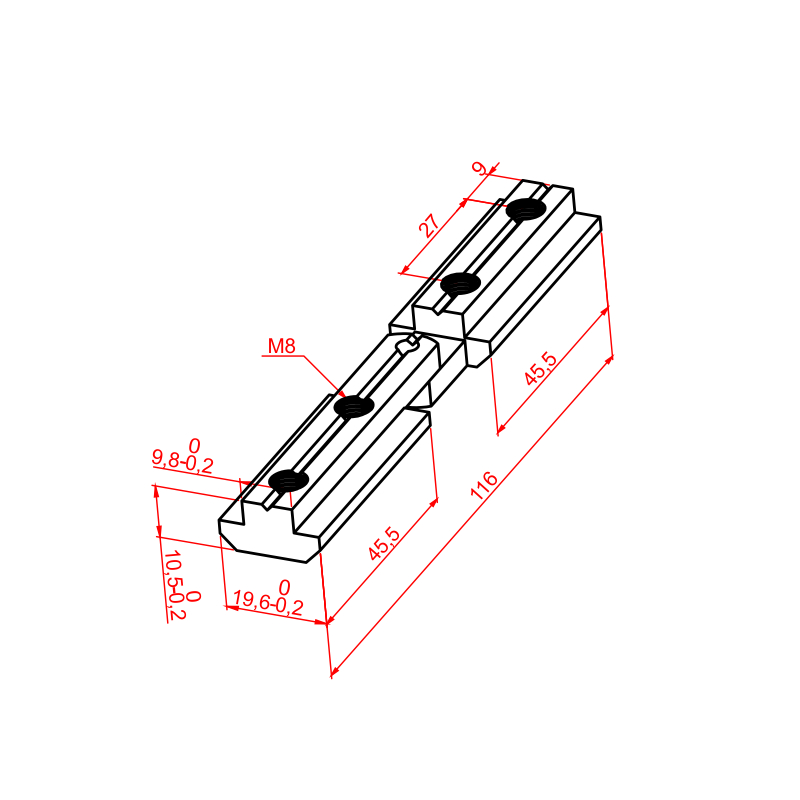
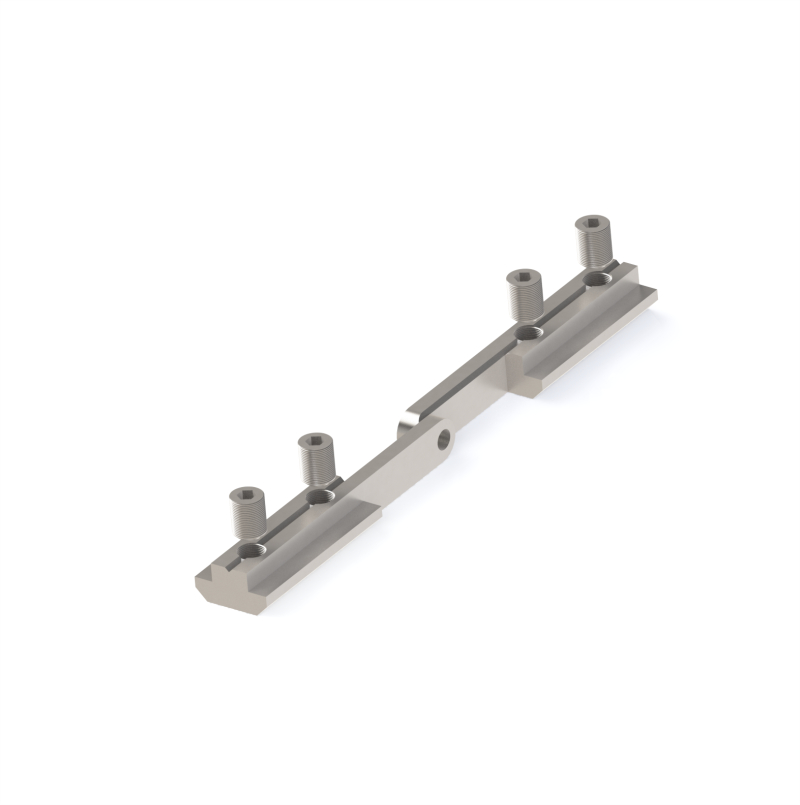
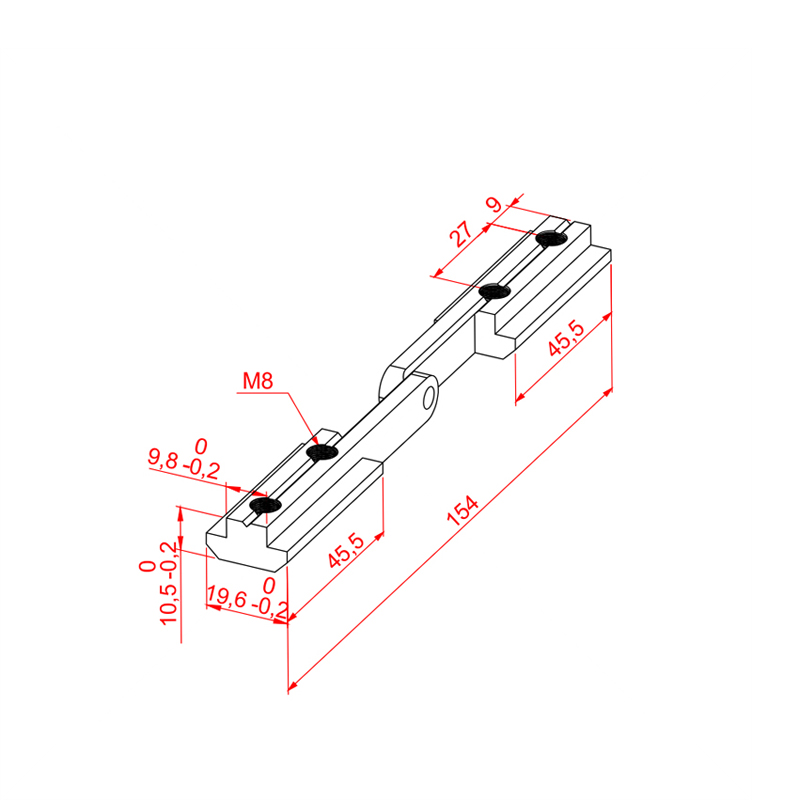
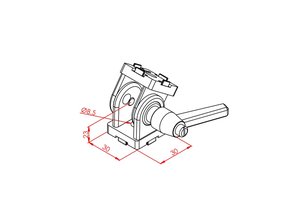
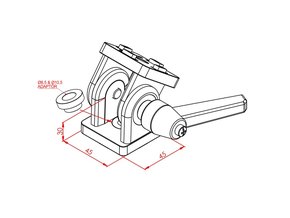
- Articulated connecting joints with lever
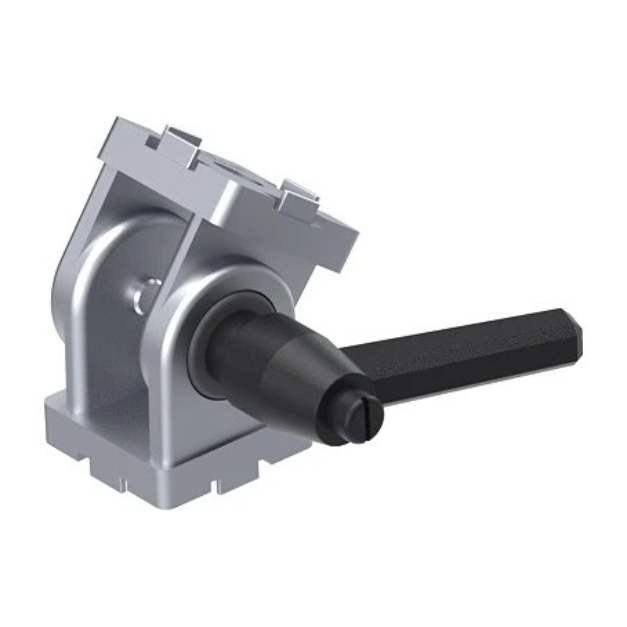
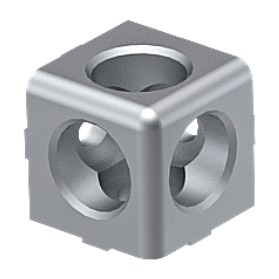
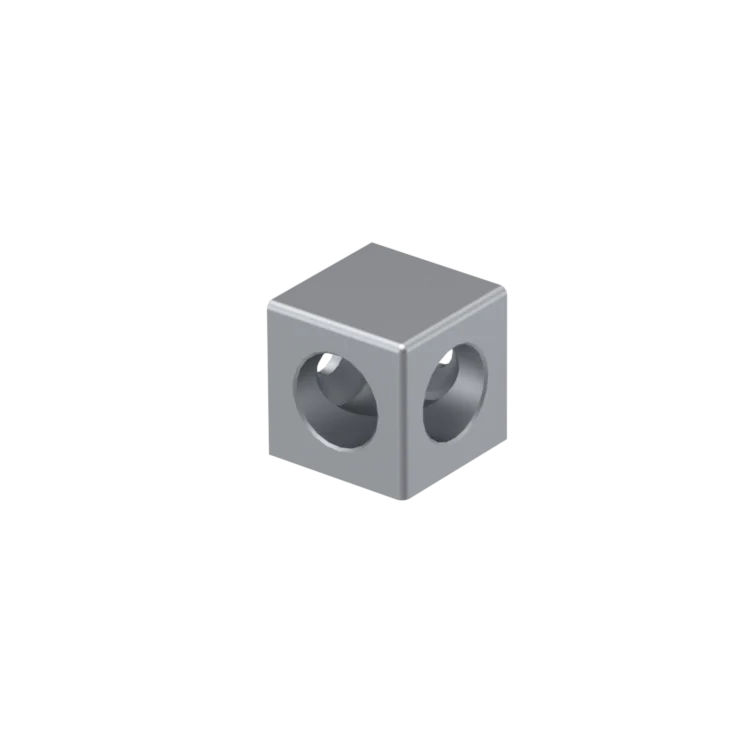
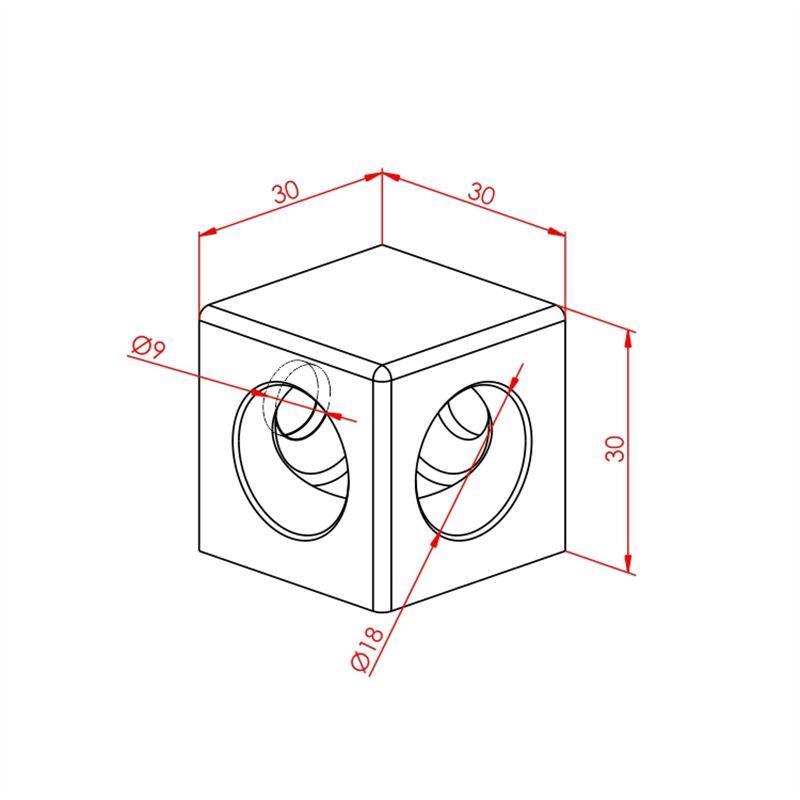
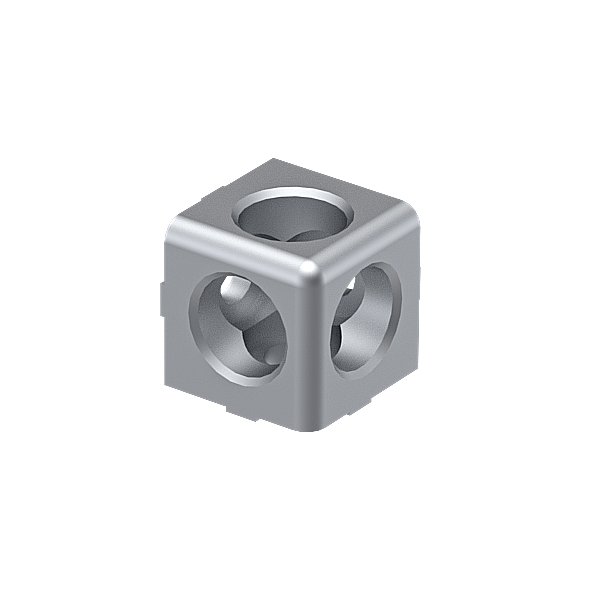
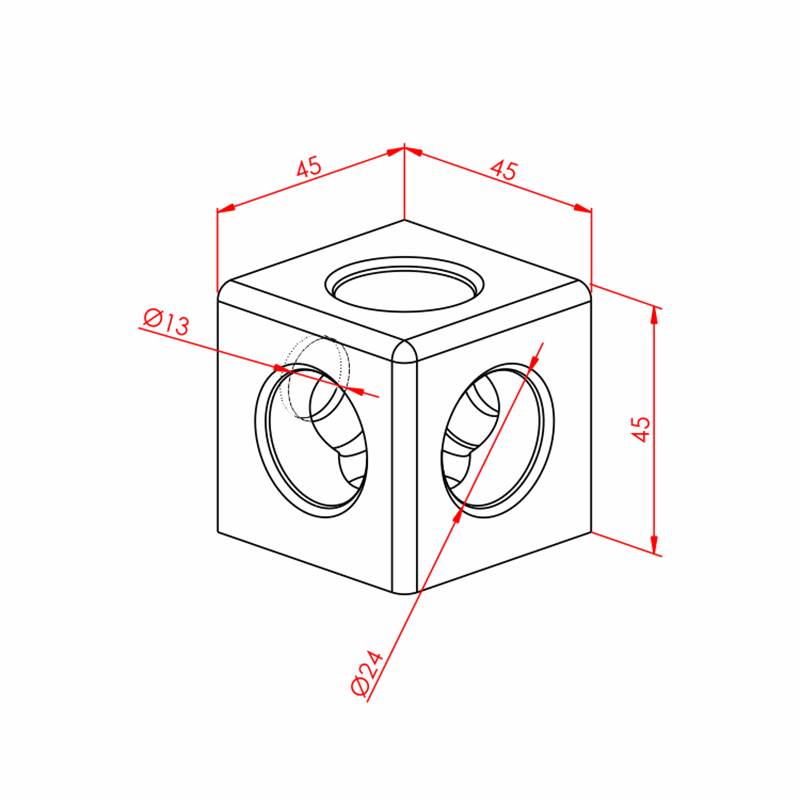
- Cube connectors
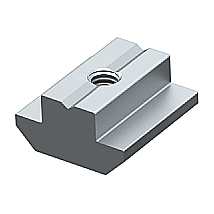
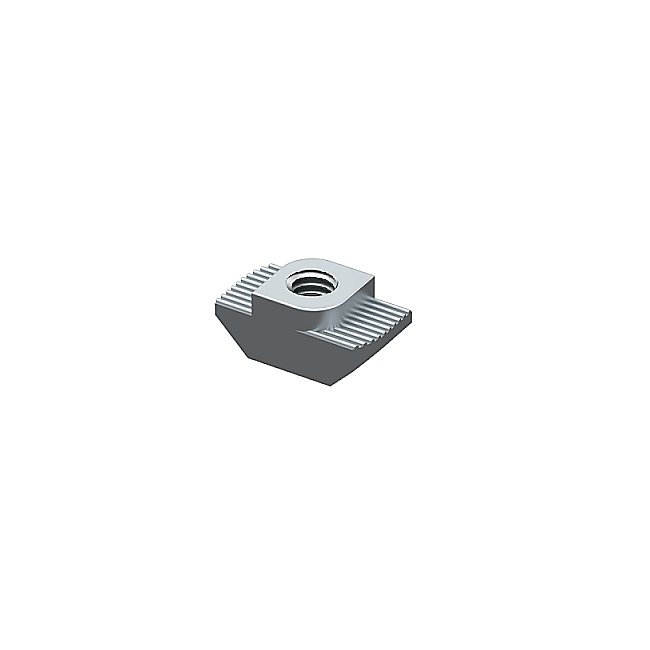
- T-nuts (slot nuts)
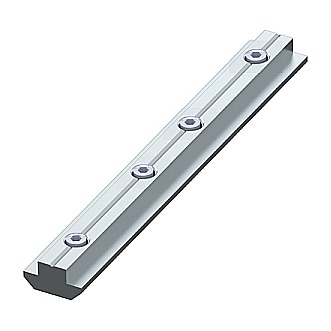
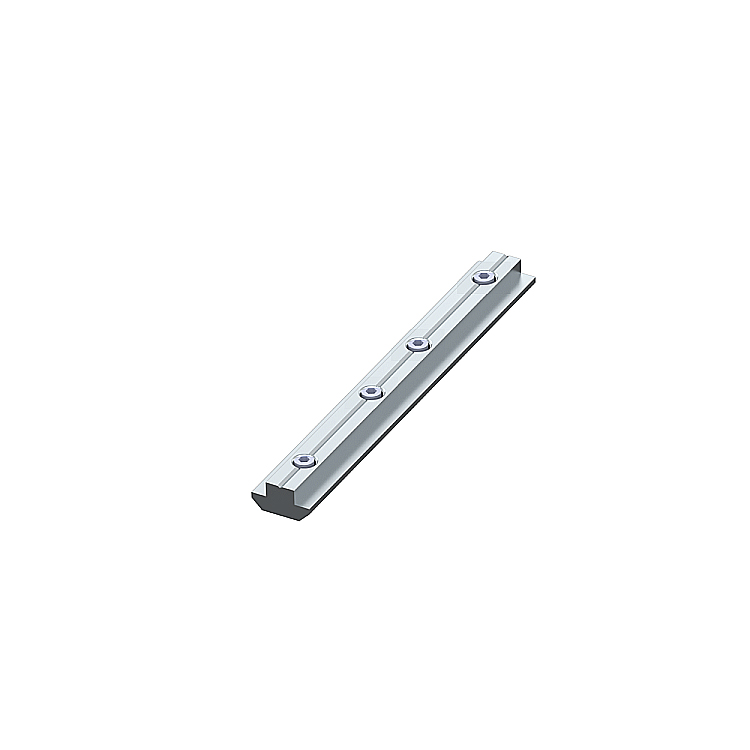
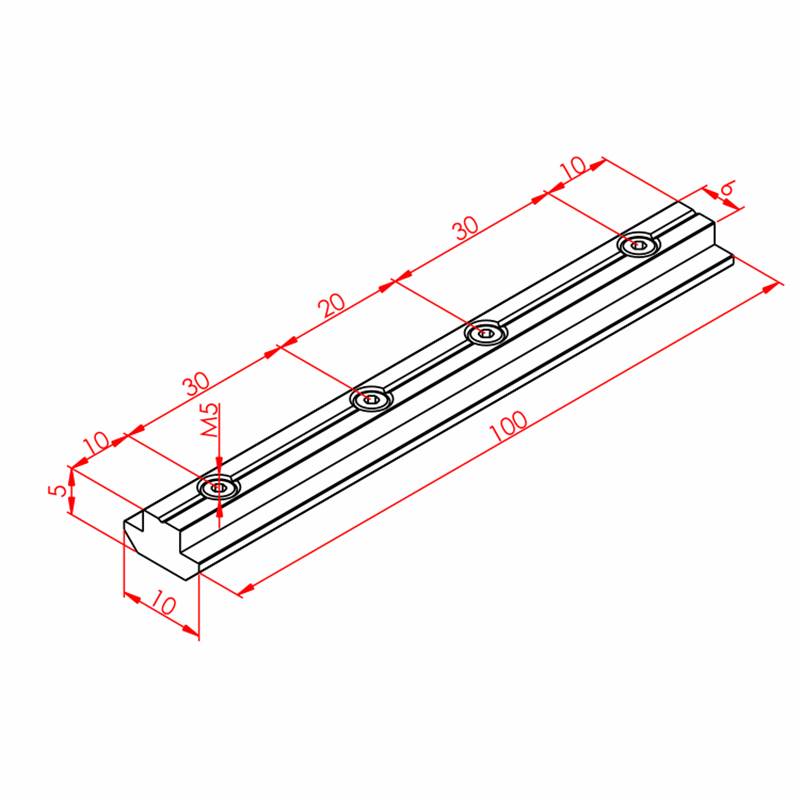
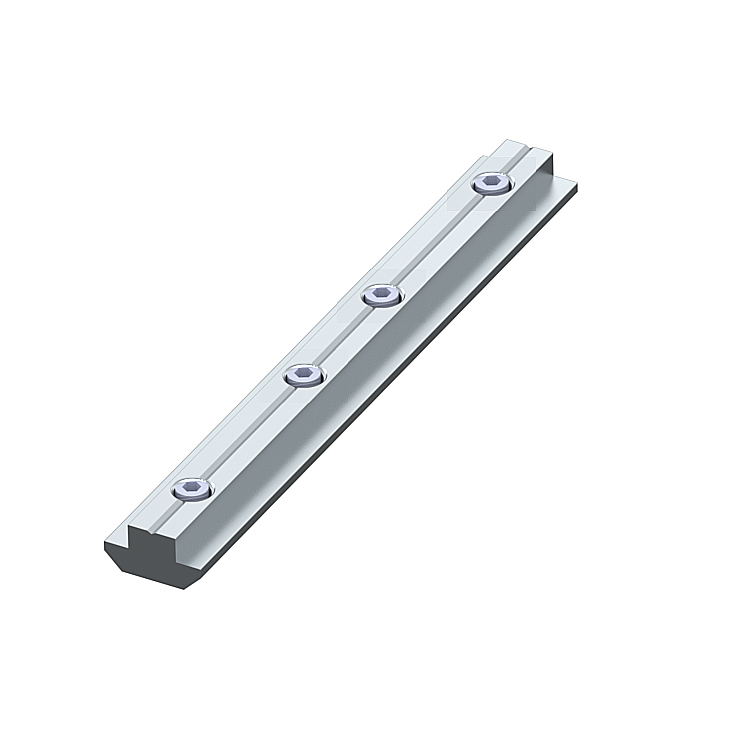
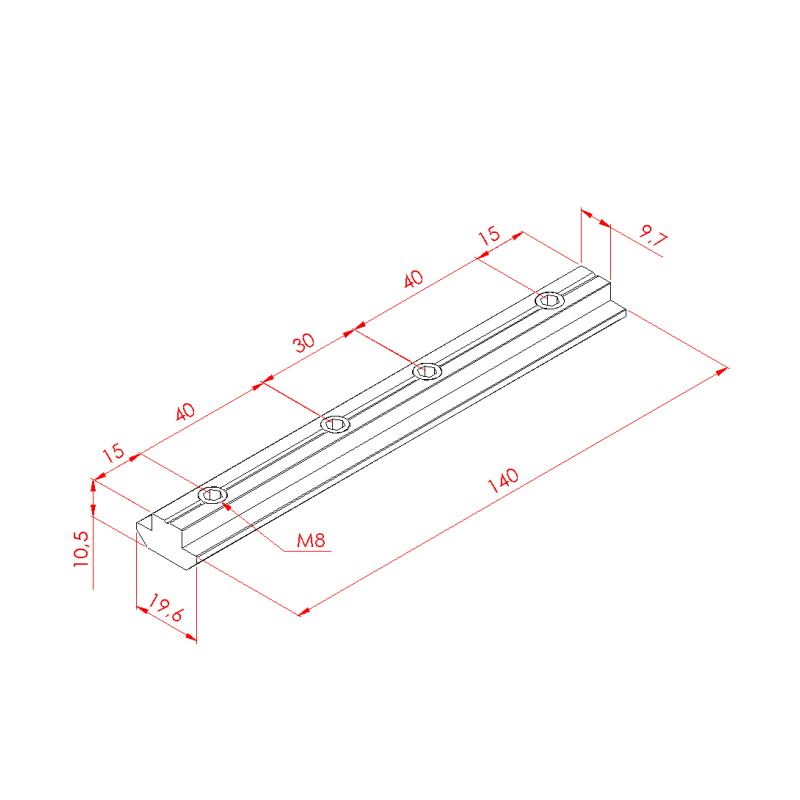
- Long T-nuts (slot nuts)
- Twist-in T-nuts
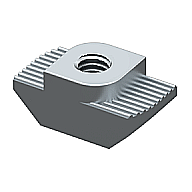
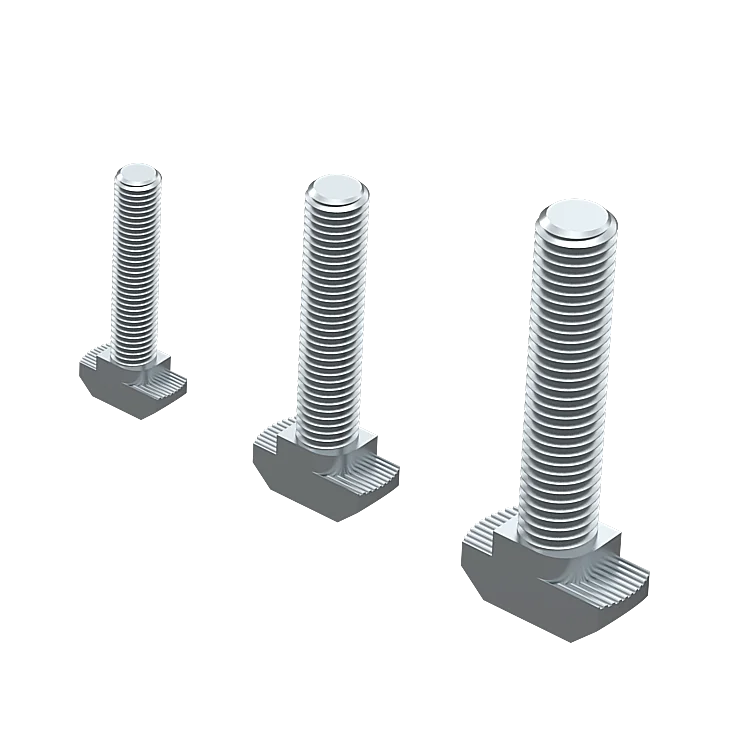
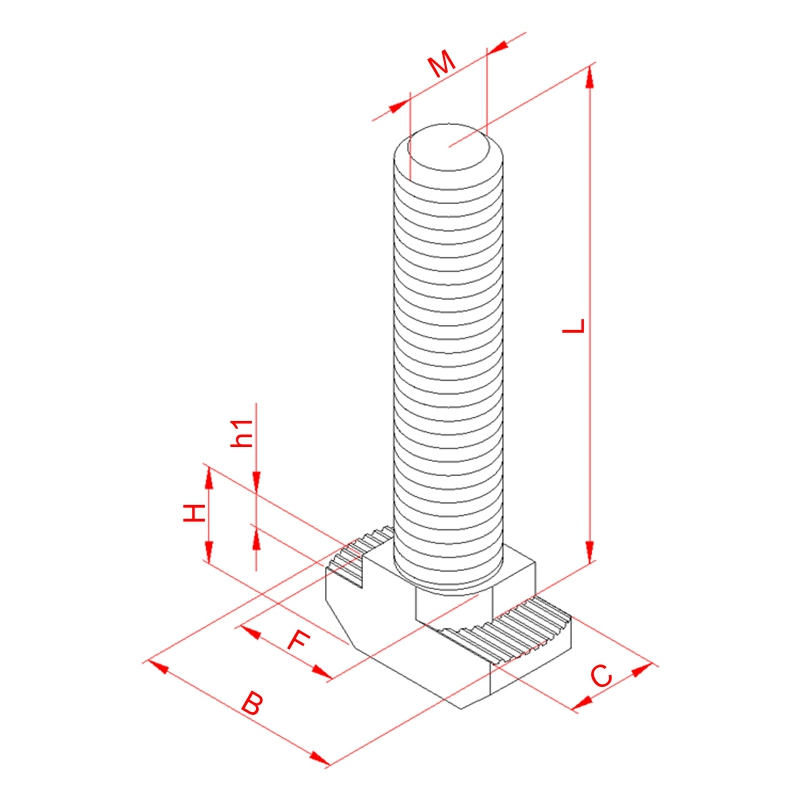
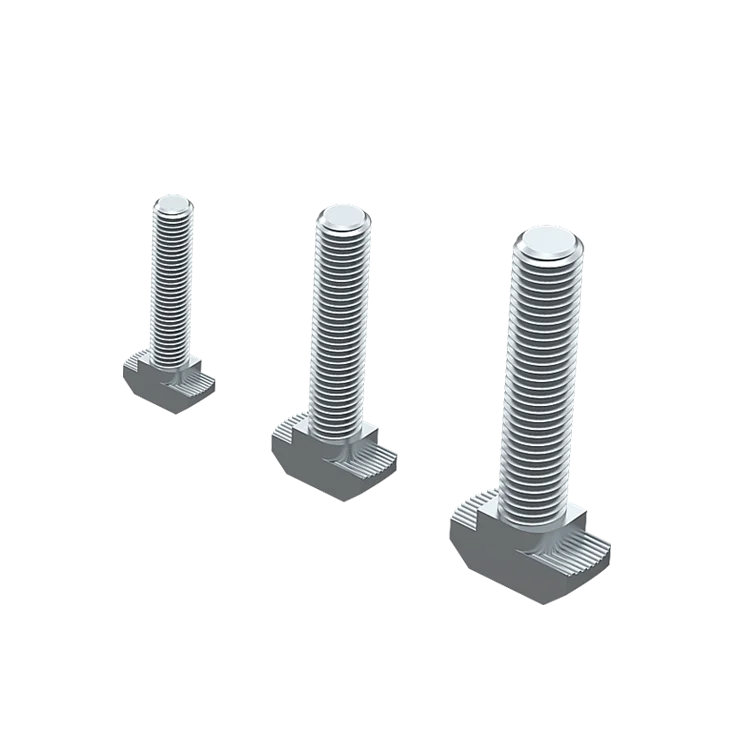
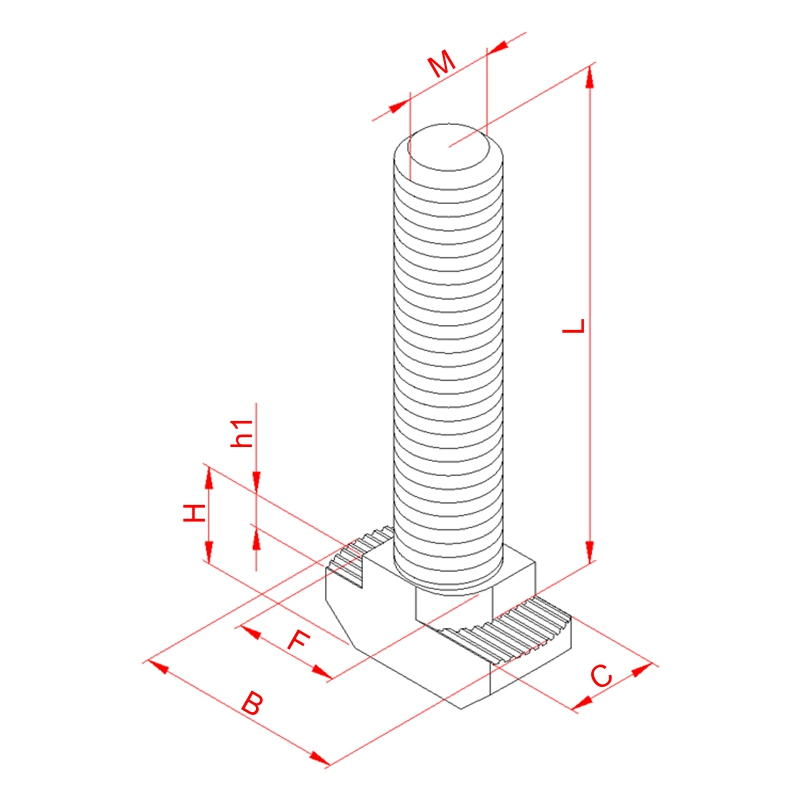
- T-bolts
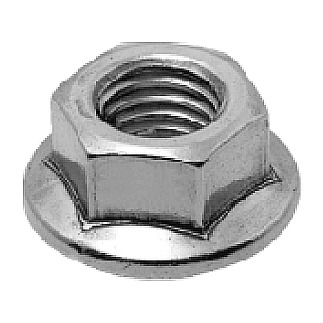
- Angle brackets
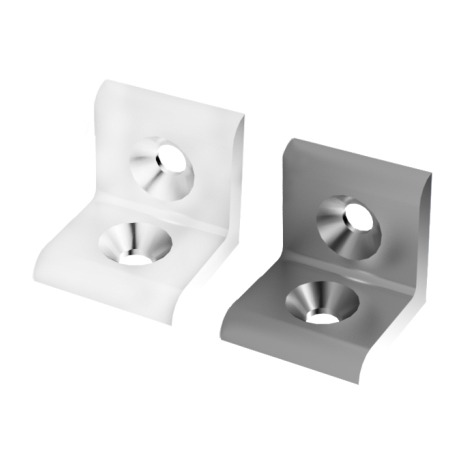
- Flat angle connectors
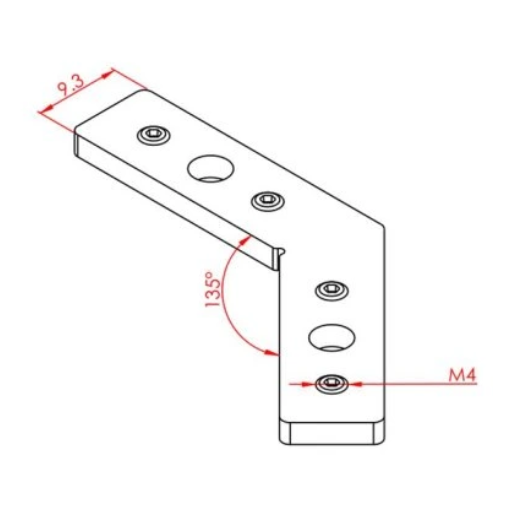
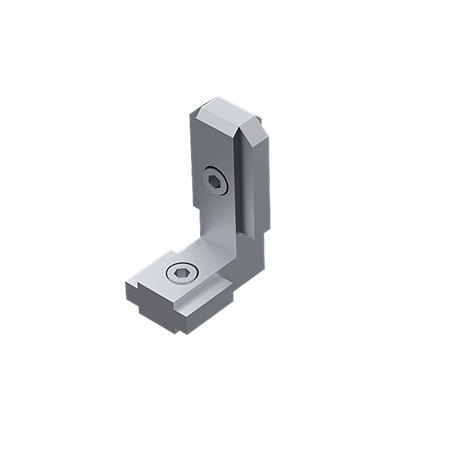
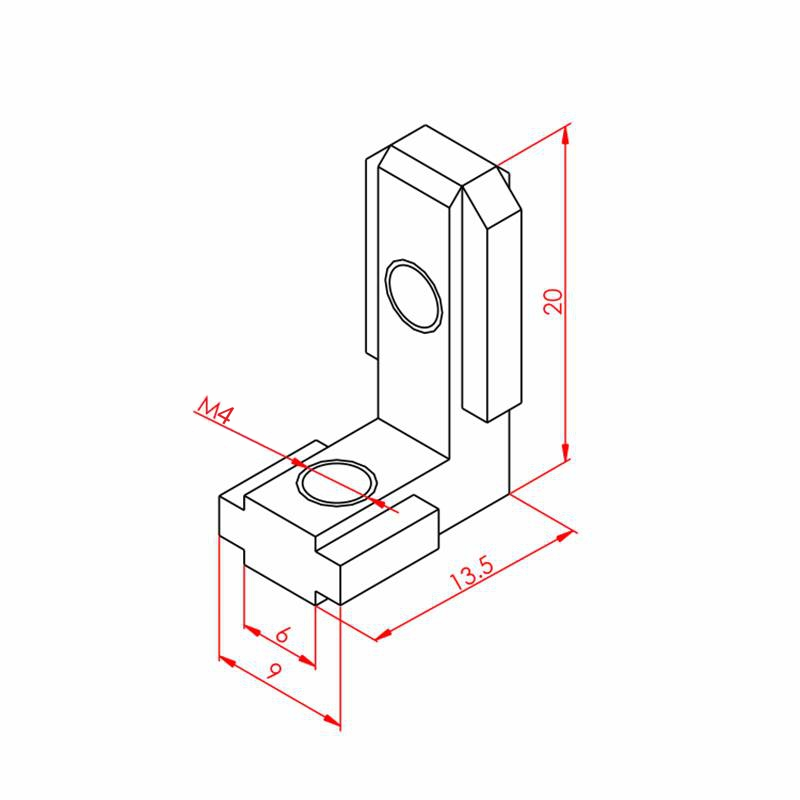
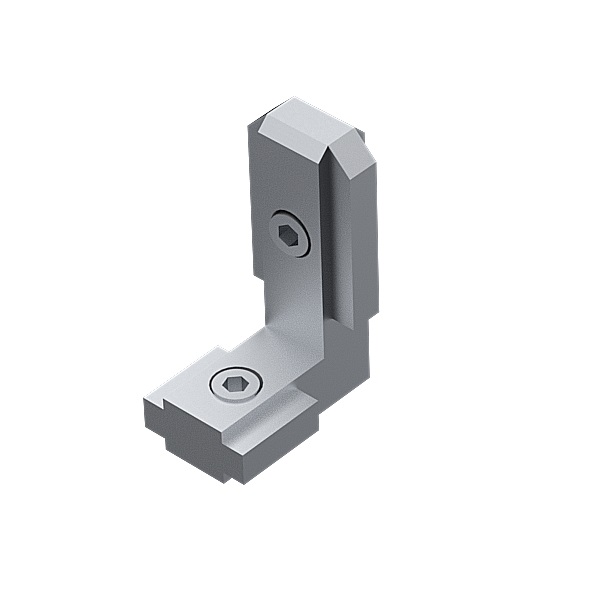
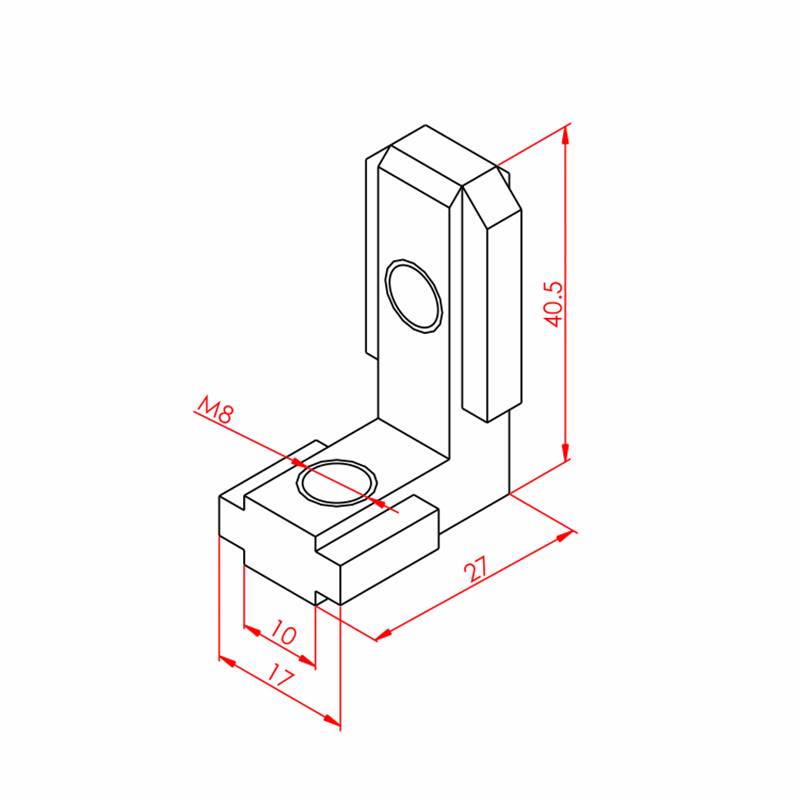
- Internal 90° connectors
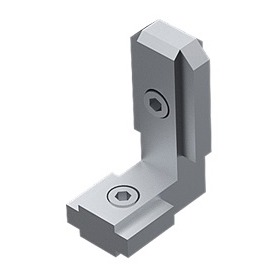
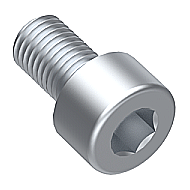
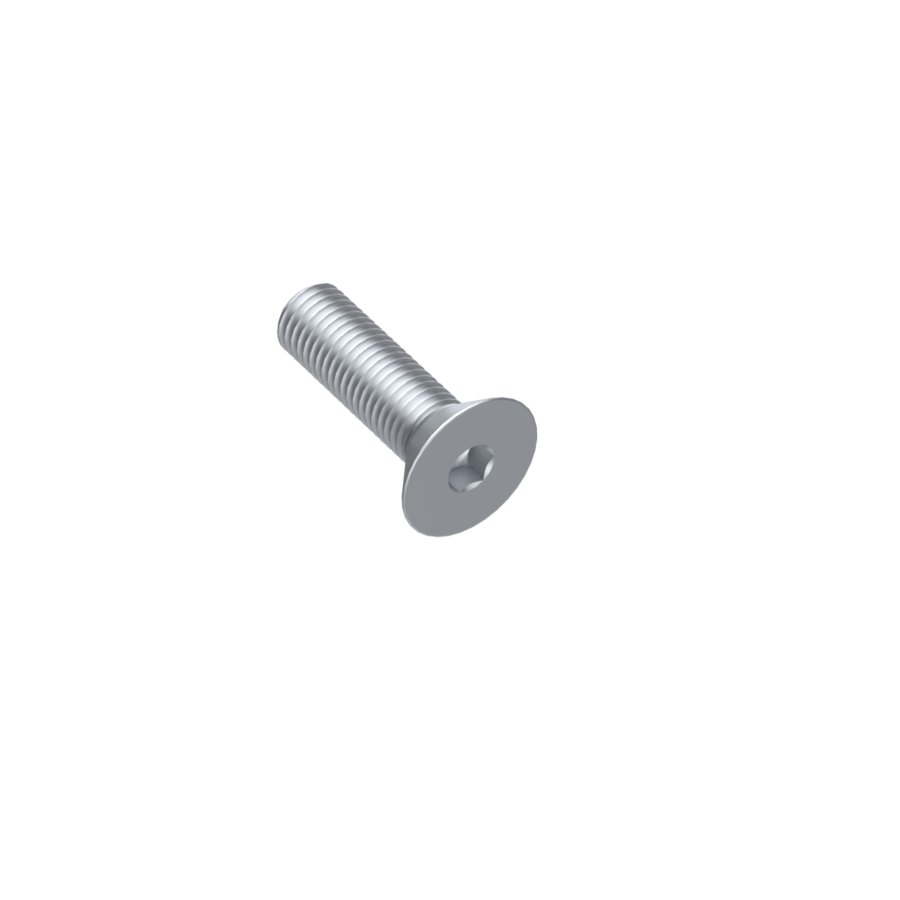
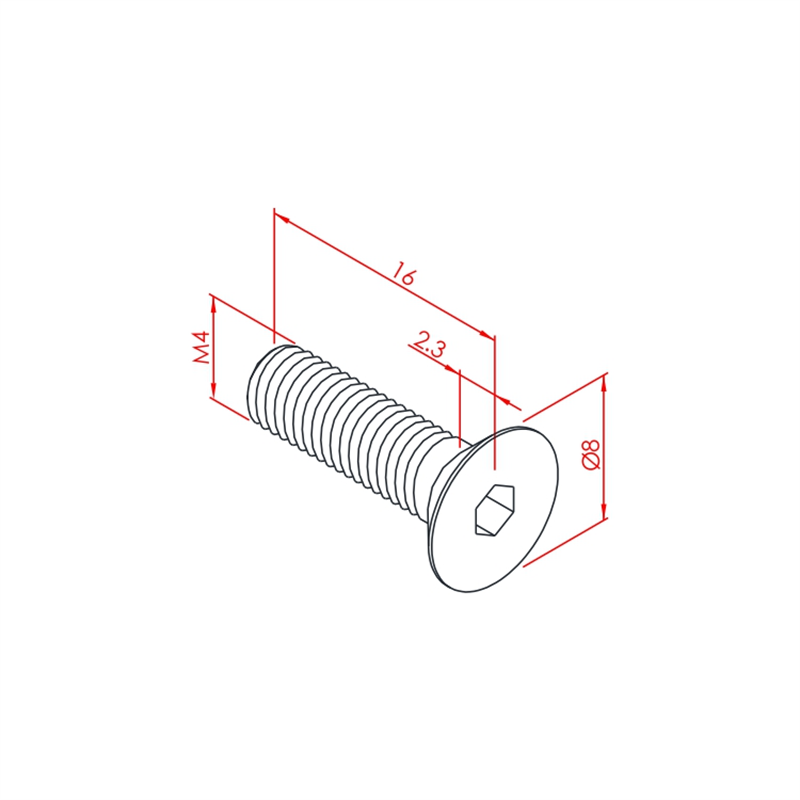
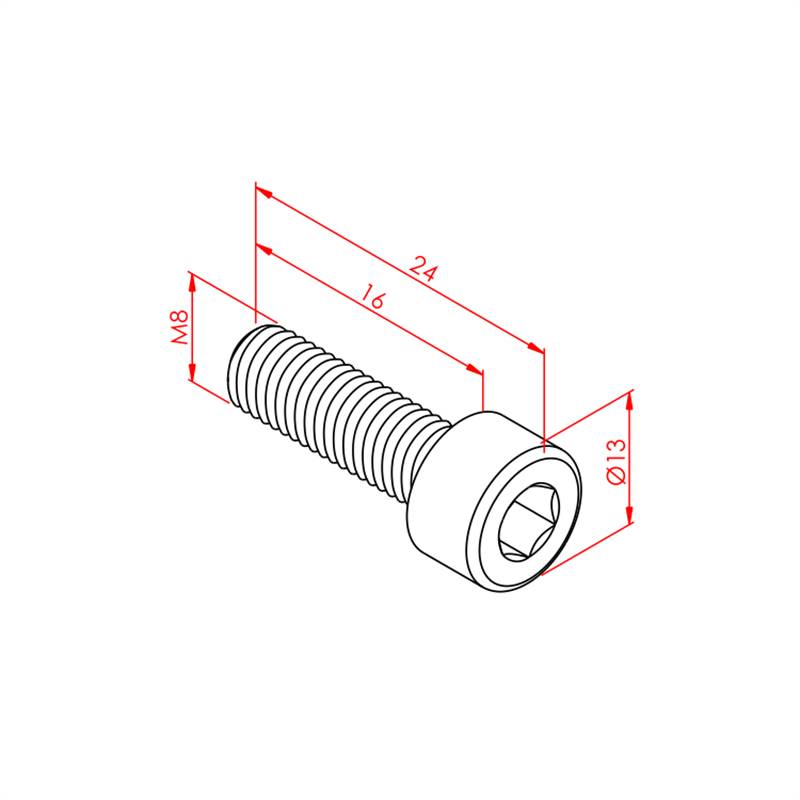
- Screws
Produkty
Videa
How to choose a joint
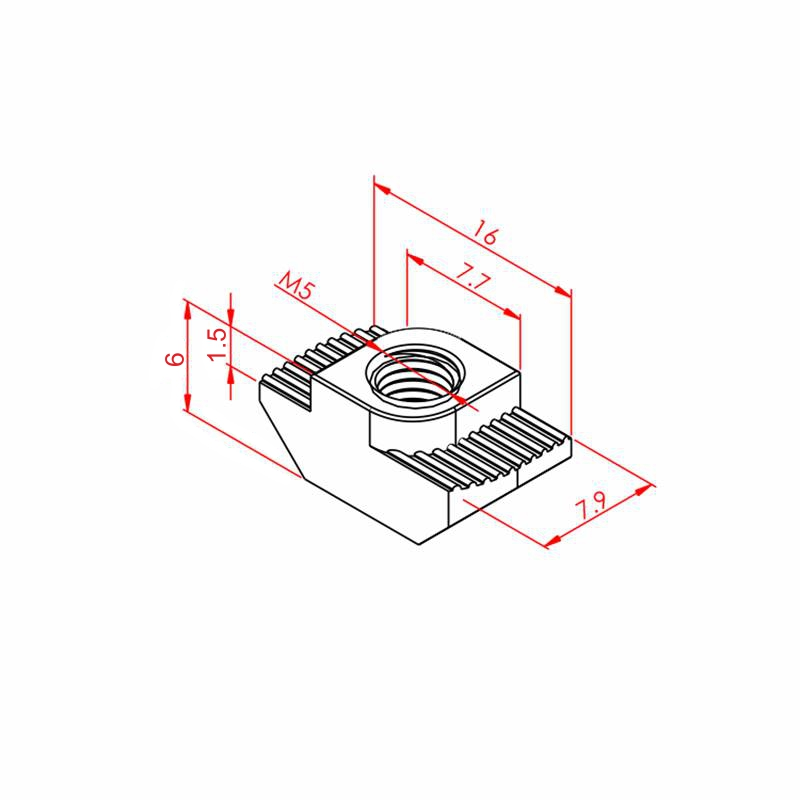
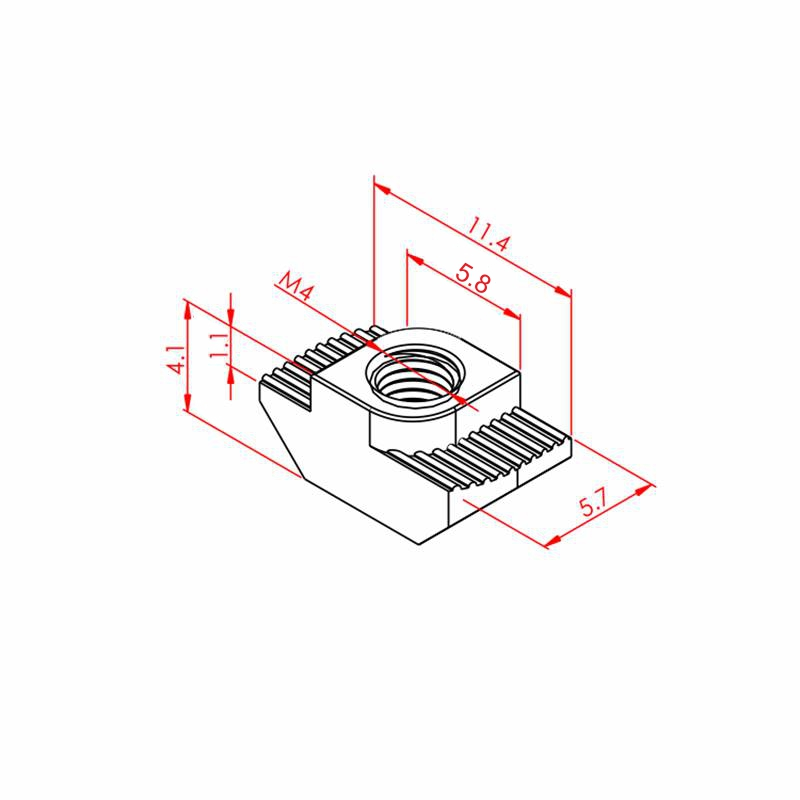
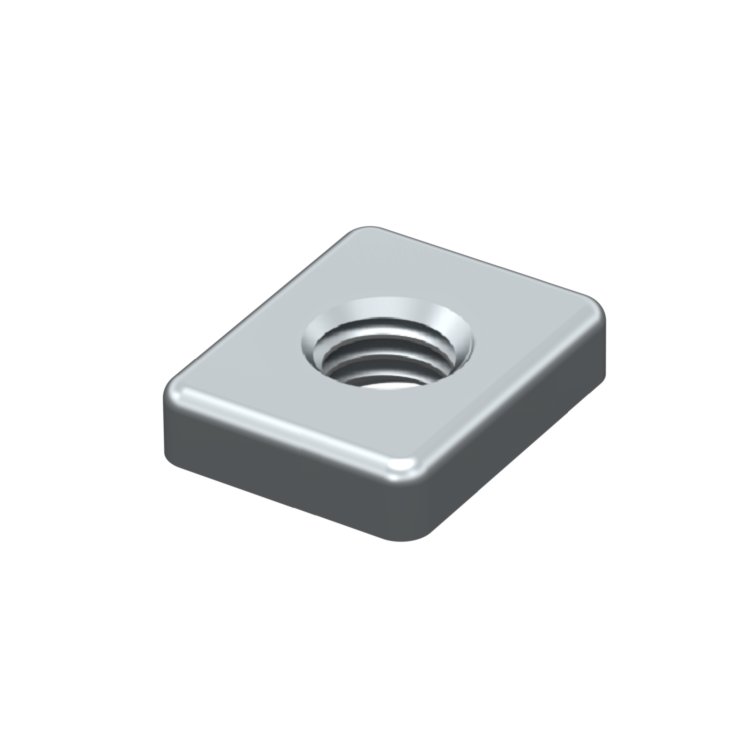
They are complemented by T-nuts (twist-in, spring-loaded, swivel, long – depending on how they are inserted into the slot), T-bolts, and square and rectangular nuts. The choice of joint depends on the required strength, appearance (visible or hidden joint) and whether the structure will be modified later.
Friction and form-fit joints
A joint can transmit force in two ways. In a friction joint, the parts are held together only by friction between the surfaces, so under a large force the joint can slip. In a form-fit joint, the force is transmitted by shape, for example when the tab of an angle bracket engages in the slot and prevents displacement. For heavier and dynamically loaded structures, it pays to use joints that transmit force by form, or to supplement them.
Assembly sequence
- Plan the layout and insert the nuts into the slots before joining the profiles, if they can only be inserted from the end.
- Assemble the frame loosely, then check squareness and right angles.
- Tighten the joints, starting with the main load-bearing ones.
- Add bracing and accessories.
- Fit the end caps and cover strips and level the feet.
Fasteners and environment
Aluminium is resistant in ordinary environments. Care is needed where it is joined to other metals: in damp conditions, aluminium in contact with stainless steel can corrode. That is why, in aggressive or damp environments, insulating washers or seals are used, together with suitable fasteners.
Zadejte nám nezávaznou poptávku:
Napište nám, ozveme se vám na uvedený e-mail.